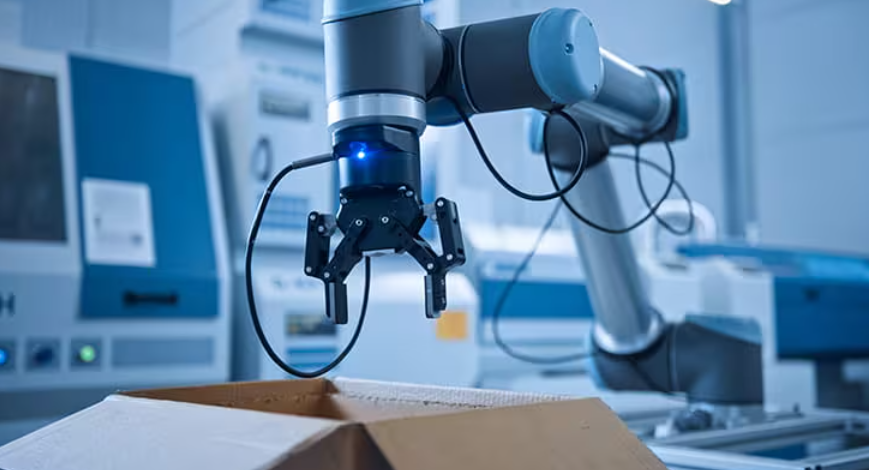
The rise of autonomous machines signifies a transformative era in technology. Enhanced by machine learning and advanced sensors, these machines are changing how industries operate. They promise improved efficiency and economic growth while introducing complexities in data privacy and job displacement. As society adapts to these innovations, it raises critical questions about ethics and future interactions. What implications will this shift have on our daily lives and the fabric of society?
The Technological Advancements Behind Autonomous Machines
The evolution of autonomous machines is rooted in a remarkable synergy of technological advancements that have redefined their capabilities.
Machine learning algorithms empower these machines to analyze vast data sets, enhancing their adaptability and decision-making processes.
Meanwhile, advanced sensor technology equips them with real-time environmental awareness, enabling precise navigation and interaction.
Together, these innovations forge a path toward greater autonomy and efficiency, reflecting humanity’s quest for liberation through technology.
See also: The Psychological Impact of Technology
Opportunities Presented by Autonomous Technology
Numerous opportunities arise from the integration of autonomous technology across various sectors, promising transformative impacts on efficiency, safety, and productivity.
Autonomous vehicles enhance transportation systems, reducing congestion and emissions while increasing accessibility.
In smart agriculture, precision farming techniques optimize resource use, minimizing waste and maximizing yields.
These advancements not only drive economic growth but also empower individuals and communities towards greater autonomy and sustainable practices.
Challenges and Ethical Considerations
While the integration of autonomous technology presents significant opportunities, it also raises a host of challenges and ethical considerations that cannot be overlooked.
Issues surrounding data privacy, accountability, and bias mitigation emerge as critical concerns.
Additionally, the necessity for robust regulatory frameworks and ethical programming becomes evident, especially in light of potential job displacement.
These factors necessitate careful deliberation to ensure responsible technological advancement.
The Future of Work and Society in an Autonomous World
Autonomous machines are poised to redefine the landscape of work and society, ushering in an era characterized by unprecedented changes in employment dynamics and social interactions.
While job displacement may disrupt traditional roles, societal adaptation will foster new opportunities and collaborative environments.
Embracing this evolution requires a proactive approach, ensuring that individuals are equipped to thrive in a rapidly transforming world.
Conclusion
As society stands on the brink of a new era defined by autonomous machines, the landscape resembles a vast, uncharted ocean. Just as sailors of old navigated unknown waters, today’s workforce must chart a course through the challenges of job displacement and ethical dilemmas. With 85 million jobs projected to be displaced by automation by 2025, the need for adaptability and innovation is paramount. Only by embracing these changes can humanity harness the full potential of this technological revolution.