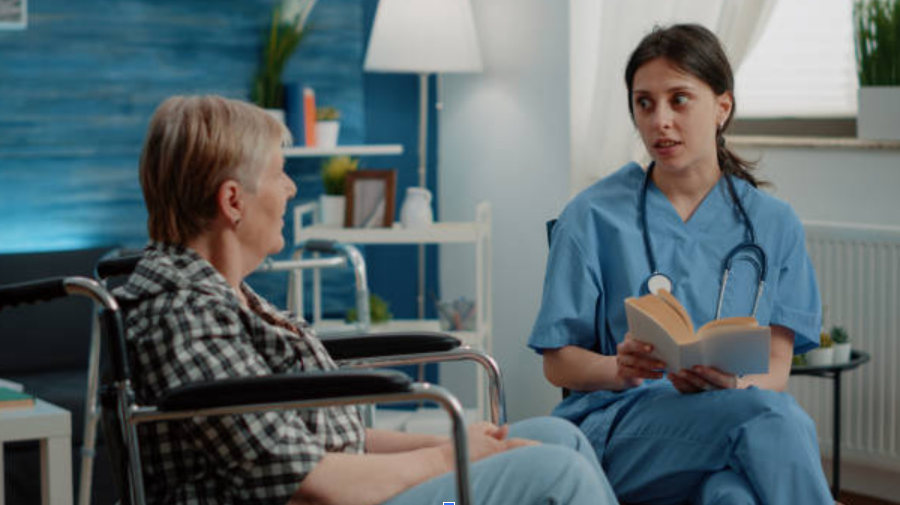
Heart failure affects millions of Americans, creating daily challenges that impact quality of life and require consistent monitoring and care. For many patients and families, home care for heart failure patients offers an ideal solution that combines medical support with the comfort and familiarity of remaining in their own homes.
Professional in-home care providers deliver specialized assistance that helps manage symptoms, prevent hospitalizations, and maintain independence while ensuring safety and well-being. By bringing professional expertise into the domestic environment, patients can navigate the complexities of this chronic condition without the stress of institutional living.
Understanding Heart Failure and Its Daily Impact
Heart failure occurs when the heart cannot pump blood efficiently enough to meet the body’s needs. This chronic condition develops gradually and requires ongoing management to control symptoms and prevent complications. Unlike what the name suggests, heart failure does not mean the heart has stopped working, but rather that it is not working as effectively as it should.
Common Daily Challenges
The condition manifests through various symptoms that significantly affect daily activities:
- Shortness of Breath: Often occurring during physical activity or when lying flat at night.
- Fluid Retention: Causing swelling (edema) in the legs, ankles, and feet, which makes mobility difficult.
- Chronic Fatigue: Limiting energy levels and making routine household tasks feel overwhelming.
- Cognitive Impact: Difficulty concentrating or reduced mental clarity due to changes in blood flow.
The Benefits of Professional Home Care
Choosing professional support delivers specialized knowledge while allowing patients to remain in comfortable, familiar surroundings.
Personalized Care in Familiar Surroundings
Familiar environments reduce stress and anxiety, which can positively impact heart function. Professional caregivers adapt their support to each individual’s specific needs, ensuring care feels natural and respectful.
Reduced Hospital Readmissions
One of the most significant benefits of quality home care involves preventing hospital readmissions. Caregivers recognize early warning signs of worsening heart failure such as sudden weight gain from fluid enabling timely interventions before conditions deteriorate into medical emergencies.
Family Support and Education
Professional providers offer vital respite for family members, preventing caregiver burnout. They educate loved ones on warning signs and proper techniques for daily assistance, ensuring the entire support network feels confident.
Essential Components of Heart Failure Home Care
Effective home care encompasses multiple specialized services addressing medical, physical, and emotional needs.
Medication Management
Heart failure typically requires a complex regimen of diuretics, beta-blockers, and ACE inhibitors. Caregivers ensure adherence by organizing medications, establishing reminder systems, and monitoring for side effects or adverse reactions.
Vital Sign and Weight Monitoring
Daily weight checks are critical in heart failure management. A sudden increase can indicate fluid buildup. Caregivers track:
- Blood Pressure and Heart Rate: Identifying irregularities early.
- Weight Measurements: Documenting changes that need physician review.
- Oxygen Saturation: Monitoring breathing efficiency during activity.
Nutritional Support
Diet plays a crucial role in management. Caregivers assist with preparing heart-healthy, low-sodium meals and monitoring fluid intake according to physician recommendations.
Daily Living Assistance and Safety
Heart failure often limits physical capabilities, making routine tasks a potential hazard.
Personal Care and Mobility
Caregivers provide dignified assistance with bathing, dressing, and grooming. They also support mobility, using proper techniques to prevent falls, which are a high risk for heart failure patients due to potential dizziness from medications or fatigue.
Household Management
Managing a home requires energy that patients often lack. Caregivers handle light housekeeping, laundry, and grocery shopping, allowing the patient to conserve their energy for recovery and social connection.
Safety Monitoring
Fall prevention is a priority. Professional caregivers implement safety measures such as identifying trip hazards in the home, ensuring adequate lighting for nighttime navigation, and supervising exercise programs recommended by physical therapists.
See also: Reliable Office Painting Services Enhancing Workplace Appearance and Comfort
Coordination with Medical Teams
Professional home care providers serve as vital communication links. They document health changes accurately, schedule medical appointments, and ensure that the patient follows through with all treatment recommendations provided by their cardiology team.
Choosing the Right Provider
Selecting the right care ensures patients receive competent, compassionate support. Families should look for:
- Verified credentials and proper licensing.
- Experience specifically with cardiovascular conditions.
- Compatibility between caregivers and patients.
Working with established providers like You’re First Home Care ensures access to trained professionals committed to excellence in heart failure management and patient dignity.
Conclusion
Home care for heart failure patients offers a compassionate, effective approach to managing this challenging condition. Professional support addresses medical needs, assists with daily activities, ensures safety, and provides emotional comfort—all within the familiar surroundings of home. This comprehensive care prevents complications, reduces hospitalizations, and significantly improves quality of life for both patients and their families. By choosing experienced, dedicated home care providers, families ensure their loved ones receive the specialized attention heart failure requires while maintaining connection to the lives they cherish.