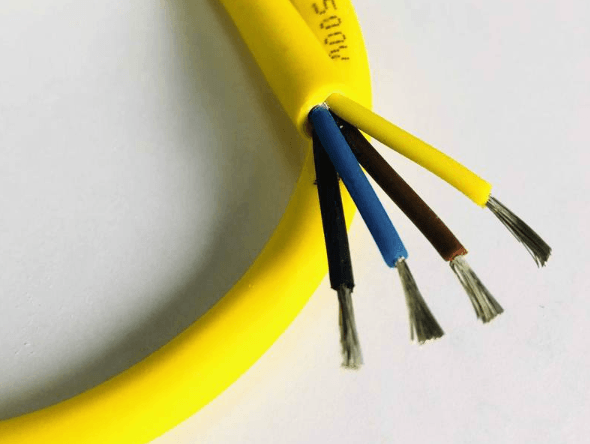
In today’s technology-driven world, reliable and durable cables are essential for maintaining seamless connections between devices. A UL TPU cable offers superior performance, flexibility, and safety, making it an ideal choice for various electronic and industrial applications. TPU (Thermoplastic Polyurethane) cables combine strength, elasticity, and resistance to wear, ensuring long-lasting connectivity solutions.
Using high-quality cables is critical for protecting devices, ensuring stable data transfer, and minimizing risks associated with electrical faults.
Key Features of UL TPU Cables
Durability and Flexibility
TPU cables are highly resistant to abrasion, bending, and extreme temperatures, making them suitable for both indoor and outdoor use.
Safety and Compliance
UL-certified cables meet strict safety standards, ensuring protection against short circuits, overheating, and electrical hazards.
High-Quality Transmission
These cables support fast and stable data transfer, making them ideal for applications requiring reliable connectivity.
Resistance to Environmental Factors
UL TPU cables are resistant to chemicals, moisture, and UV radiation, ensuring longevity in harsh environments.
Applications of UL TPU Cables
- Consumer Electronics: Charging and data transfer for smartphones, tablets, and laptops.
- Industrial Equipment: Machinery and robotics requiring flexible and durable cabling solutions.
- Automotive Industry: Wiring systems in vehicles needing high resistance and flexibility.
- Medical Devices: Safe and reliable connections for sensitive medical equipment.
- Telecommunication: Ensuring stable and high-speed data transfer across networks.
Advantages of Using UL TPU Cables
- Enhanced durability and long service life
- Superior flexibility for easy installation in tight spaces
- High resistance to environmental stress and wear
- Compliance with safety and quality standards
- Reliable performance for both data and power transmission
How to Choose the Right UL TPU Cable
Step 1: Identify Application
Determine whether the cable is for consumer electronics, industrial machinery, or automotive systems.
Step 2: Check Specifications
Consider voltage rating, current capacity, and data transmission requirements to ensure compatibility.
Step 3: Verify UL Certification
Ensure the cable is UL-certified for guaranteed safety and compliance with industry standards.
Step 4: Evaluate Durability
Assess the material’s resistance to abrasion, temperature extremes, and environmental exposure.
See also: HK Serviced Apartment: Your Home Away from Home
Step 5: Consider Length and Flexibility
Select an appropriate length and ensure the cable provides enough flexibility for installation needs.
FAQs
What is a UL TPU cable?
A UL TPU cable is a thermoplastic polyurethane cable certified for safety and reliability, offering durability, flexibility, and resistance to environmental factors.
Where are UL TPU cables commonly used?
They are used in consumer electronics, industrial machinery, automotive wiring, medical devices, and telecommunication networks.
Why choose a UL-certified TPU cable?
UL certification ensures the cable meets stringent safety standards, providing protection against electrical hazards and guaranteeing reliable performance.
Conclusion
Investing in a UL TPU cable ensures safe, reliable, and long-lasting connectivity across a wide range of applications. With high durability, flexibility, and compliance with safety standards, these cables provide optimal performance for both everyday electronics and demanding industrial environments.
Choosing the right UL TPU cable guarantees secure connections, enhanced device protection, and peace of mind for users across multiple industries.