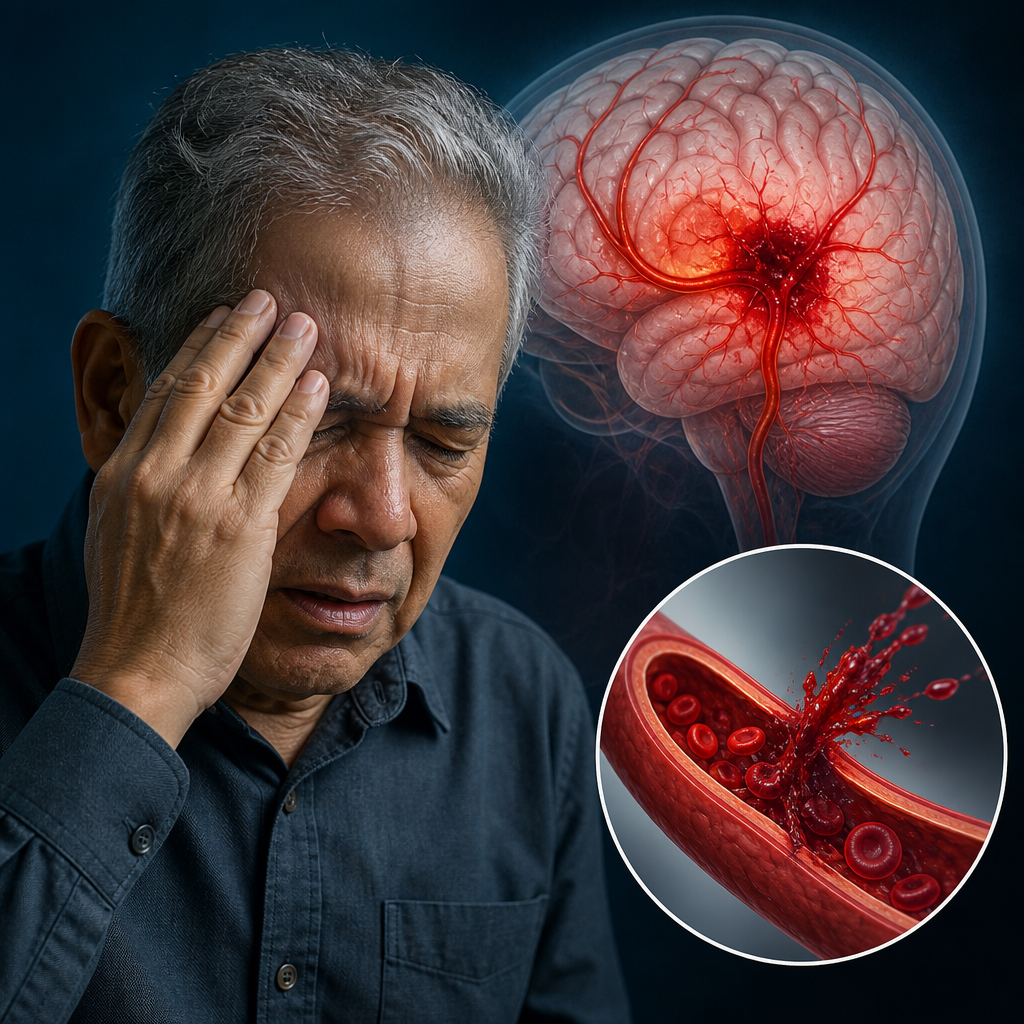
Among the most serious neurological emergencies a person can face, a hemorrhagic stroke stands apart for its sudden onset, severity, and the complexity of care it demands. Unlike ischemic strokes caused by blockages, hemorrhagic strokes involve bleeding in or around the brain, making rapid diagnosis and expert intervention absolutely critical. Understanding the nature of this condition, its warning signs, and the treatment pathways available can make a life-altering difference for patients and their families.
What Is a Hemorrhagic Stroke?
A hemorrhagic stroke occurs when a blood vessel in the brain ruptures, causing blood to leak into surrounding brain tissue or into the spaces around the brain. This bleeding creates pressure that damages brain cells and disrupts normal neurological function. There are two primary types: intracerebral hemorrhage, where bleeding occurs within the brain itself, and subarachnoid hemorrhage, where blood collects in the space between the brain and the surrounding membrane. Both types are medical emergencies requiring immediate attention.
Common Causes and Risk Factors
High blood pressure remains the leading cause of hemorrhagic stroke, as chronically elevated pressure weakens arterial walls over time. Other contributing factors include arteriovenous malformations (AVMs), which are abnormal tangles of blood vessels present from birth, as well as aneurysms — balloon-like bulges in artery walls that can rupture without warning. Lifestyle factors such as smoking, excessive alcohol consumption, and the use of blood-thinning medications also significantly elevate risk. Age, family history, and certain blood disorders further compound an individual’s vulnerability.
Recognizing the Warning Signs
Time is the most critical factor in stroke outcomes. The classic warning signs of a hemorrhagic stroke can appear suddenly and without prior indication. These include a severe, sudden headache often described as the “worst headache of one’s life,” loss of consciousness or confusion, weakness or numbness on one side of the body, difficulty speaking or understanding speech, and sudden vision problems. Nausea, vomiting, and sensitivity to light may also accompany a subarachnoid hemorrhage. If any of these symptoms appear, emergency medical services must be contacted immediately — every minute of delayed treatment increases the risk of permanent brain damage or death.
Why Hemorrhagic Stroke Differs from Ischemic Stroke in Treatment
The treatment approach for hemorrhagic stroke is fundamentally different from that of ischemic stroke. While ischemic strokes are often treated with clot-dissolving medications, these same drugs would be dangerous in a hemorrhagic event, as they could worsen bleeding. Instead, treatment focuses on controlling the bleed, reducing intracranial pressure, and stabilizing the patient. Surgical interventions may be required to remove pooled blood, repair a ruptured aneurysm, or address an AVM. This distinction underscores why accurate and rapid diagnosis through imaging is so essential.
Diagnostic Tools and Imaging in Stroke Care
When a patient arrives at a stroke center, the diagnostic process begins immediately. CT scans are typically the first imaging tool used, as they can quickly identify bleeding in the brain. MRI scans provide more detailed images of brain tissue and are used to assess the extent of damage. Cerebral angiography may be performed to visualize blood vessels and identify the source of bleeding, such as an aneurysm or AVM. These tools collectively guide the clinical team in determining the most appropriate course of treatment, whether medical management, minimally invasive procedures, or open surgery.
Surgical and Interventional Options
For many hemorrhagic stroke patients, surgery is a necessary component of care. Procedures such as craniotomy allow surgeons to access the brain and remove blood clots or repair damaged vessels. Endovascular techniques, including coiling and clipping of aneurysms, offer less invasive alternatives that reduce recovery time and surgical risk. Stereotactic radiosurgery may be used for certain AVMs. To better understand the range of surgical options available for neurological and vascular conditions, patients and caregivers can explore detailed surgical health resources that explain procedures, risks, and recovery expectations in accessible language.
The Role of Rehabilitation After Hemorrhagic Stroke
Surviving a hemorrhagic stroke is only the beginning of a long journey toward recovery. Depending on the location and extent of the bleed, patients may experience lasting deficits in motor function, speech, memory, or emotional regulation. Rehabilitation is a multidisciplinary effort involving physiotherapists, occupational therapists, speech-language pathologists, neuropsychologists, and social workers. Early rehabilitation — often beginning within days of stabilization — has been shown to significantly improve long-term outcomes. Family involvement and psychological support are equally important, as the emotional toll of stroke recovery affects both patients and caregivers.
Vascular Health and Broader Neurological Wellness
Vascular health is deeply interconnected with overall neurological wellness. Conditions that affect blood flow and vessel integrity — including hypertension, diabetes, and cardiovascular disease — can have cascading effects on the brain. Interestingly, research has also highlighted links between vascular health and other systemic conditions. For example, men experiencing circulatory issues may also face challenges in other areas of health. Those seeking guidance on related vascular concerns can find helpful information by learning what to expect at an erectile dysfunction treatment clinic, as vascular dysfunction often underlies multiple health conditions simultaneously.
Cleveland Clinic Abu Dhabi: Expert Neuro-Vascular Stroke Care
For patients in the UAE and the broader region seeking world-class neurological care, Cleveland Clinic Abu Dhabi offers a comprehensive neuro-vascular stroke program staffed by internationally trained specialists. The center is equipped with advanced diagnostic imaging, a dedicated stroke unit, and a full spectrum of interventional and surgical capabilities. From emergency response to long-term rehabilitation, the multidisciplinary team works collaboratively to deliver outcomes that reflect global best practices. The program’s depth of expertise spans both ischemic and hemorrhagic stroke, ensuring that every patient receives a tailored, evidence-based care plan.
Seeking Specialized Care When It Matters Most
When facing a condition as serious as a hemorrhagic stroke, the quality and speed of care received can determine not only survival but the degree of recovery and quality of life that follows. Patients and families are encouraged to familiarize themselves with stroke symptoms, know the location of the nearest certified stroke center, and understand that specialized neuro-vascular care is not a luxury — it is a necessity. Proactive awareness, combined with access to expert medical teams, remains the most powerful tool in combating the devastating effects of hemorrhagic stroke.
Conclusion
Hemorrhagic stroke is a life-threatening condition that demands immediate recognition, rapid diagnosis, and expert multidisciplinary care. From understanding its causes and symptoms to navigating surgical options and rehabilitation, patients and caregivers benefit enormously from being informed and prepared. Advances in neuro-vascular medicine continue to improve survival rates and recovery outcomes, but access to specialized care remains the cornerstone of effective stroke management. Whether you are a patient, a caregiver, or a healthcare professional, staying educated about vascular brain health is one of the most important investments you can make.