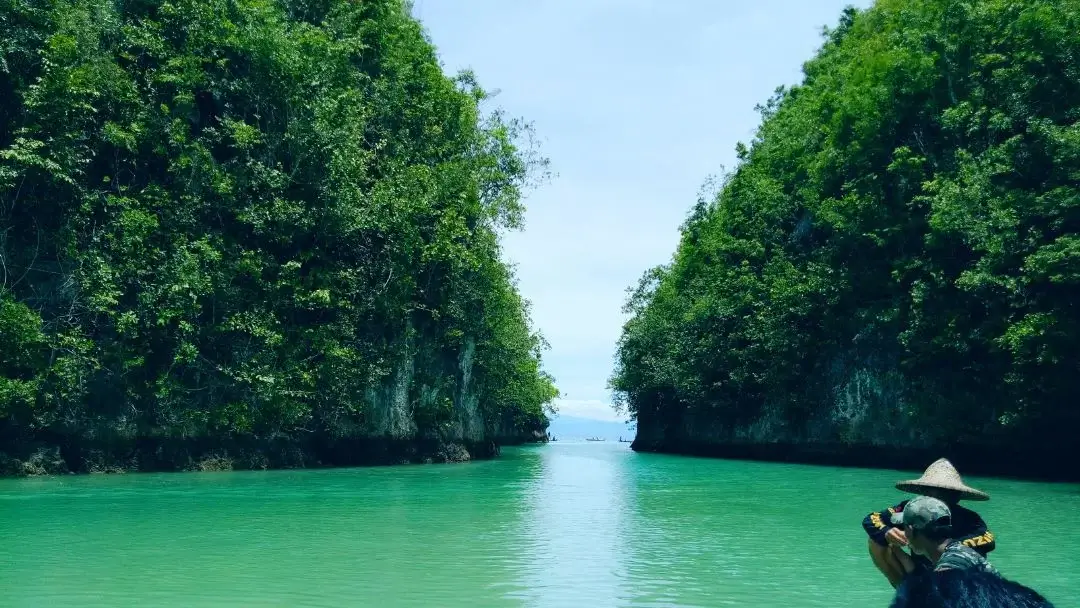
Cebu, a beautiful island in the Philippines, is a popular destination for tourists from all over the world. Known for its pristine beaches, crystal-clear waters, and vibrant local culture, Cebu offers a unique blend of relaxation and adventure. Visitors can explore historic landmarks such as Magellan’s Cross and Fort San Pedro, or embark on exciting outdoor activities like snorkeling, diving, and island hopping. The bustling city of Cebu also boasts plenty of shopping, dining, and nightlife options, ensuring that there is something for everyone to enjoy during their stay.
For travelers looking to visit this tropical paradise, Cathay Pacific provides flight services from Chicago To Cebu With convenient connections and top-notch customer service, Cathay Pacific offers a comfortable and reliable way to reach Cebu. Once on the island, tourists can easily navigate the area using taxis, public transportation, or rental cars to explore all that Cebu has to offer. Whether you’re seeking a tranquil beach getaway or an action-packed adventure, Cebu has it all – making it the perfect destination for your next vacation.
Cebu Taoist Temple
The Cebu Taoist Temple, nestled in the vibrant city of Cebu in the Philippines, stands as a testament to the rich cultural tapestry and religious diversity of the region. Built in 1972 by the city’s substantial Chinese community, the temple is perched 300 meters above sea level in the upscale Beverly Hills Subdivision. This majestic structure is not just a place of worship but also a popular tourist destination, drawing visitors with its serene ambiance, intricate architecture, and panoramic views of Cebu City.
The temple’s design is a harmonious blend of traditional Chinese architecture and local influences, featuring multi-tiered roofs, dragon sculptures, and ornate carvings that depict various Taoist deities and symbols. The entrance is marked by a grand staircase of 81 steps, symbolizing the 81 chapters of the Taoist scripture, the Tao Te Ching. As visitors ascend these steps, they are greeted by lush gardens and a tranquil koi pond, setting a peaceful tone for the spiritual journey ahead. The main prayer hall, adorned with vibrant red and gold accents, houses the altar where devotees offer prayers and incense to the gods.
One of the unique aspects of the Cebu Taoist Temple is its open-door policy, welcoming people of all faiths to explore and experience its sacred spaces. This inclusivity is reflective of the Taoist philosophy of harmony and balance, encouraging visitors to find their own spiritual path. The temple also offers a glimpse into traditional Chinese practices, such as the ritual of “”kua pue””, where devotees seek guidance by tossing two wooden blocks and interpreting their positions. This ritual, along with the temple’s serene environment, provides a meditative experience for those seeking solace and clarity.
Beyond its religious significance, the Cebu Taoist Temple serves as a cultural landmark that fosters understanding and appreciation of Chinese heritage in the Philippines. It stands as a symbol of the enduring bond between the Chinese community and the local populace, celebrating a shared history and mutual respect. Whether one visits for spiritual reasons, cultural curiosity, or simply to enjoy the breathtaking views, the Cebu Taoist Temple offers a unique and enriching experience that resonates with the soul.
SM Seaside City Cebu
SM Seaside City Cebu is a world-class mall that is located in the South Road Properties of Cebu City. This mall boasts a unique and creative architecture that is inspired by the shape of a nautilus shell. The mall has a total floor area of 470,490 square meters and is divided into four buildings, including the main mall, the cube, the south coast city, and the city wing. With its impressive size and design, SM Seaside City Cebu has become a popular destination for tourists and locals alike.
One of the main attractions of SM Seaside City Cebu is its wide range of shopping options. The mall is home to over 400 stores, including local and international brands. There are also several department stores, supermarkets, and specialty shops that cater to different needs and preferences. Shoppers can find everything from fashion and beauty products to electronics and home furnishings. The mall also features a wide range of dining options, including fast food chains, coffee shops, and restaurants that serve local and international cuisine.
Aside from shopping and dining, SM Seaside City Cebu also offers various entertainment options for visitors. The mall has several cinemas that feature the latest local and international movies. There is also an IMAX theater that provides an immersive movie viewing experience. For kids and kids-at-heart, there is an amusement park called Sky Park that features thrilling rides and attractions. There is also an ice-skating rink and a bowling center that provide fun and exciting activities for families and friends.
SM Seaside City Cebu is also known for its beautiful and Instagram-worthy spots. The mall’s unique and creative architecture provides a perfect backdrop for taking photos and selfies. The Sky Park, with its panoramic view of the city, is also a popular spot for taking photos and enjoying the sunset. The mall also features several art installations and exhibits that showcase the creativity and talent of local artists.
In conclusion, SM Seaside City Cebu is not just a mall but a destination that offers a wide range of shopping, dining, and entertainment options for visitors. Its unique and creative architecture, combined with its impressive size and range of facilities, make it a must-visit place in Cebu City. Whether you’re a local or a tourist, there’s always something new and exciting to discover at SM Seaside City Cebu.
Basilica del Santo Niño
The Basilica del Santo Niño, located in Cebu City, Philippines, is a historical and religious landmark that holds a special place in the hearts of the Filipino people. The basilica is dedicated to the Santo Niño, a representation of the Child Jesus, and is believed to be the oldest Roman Catholic church in the country. Built in the 16th century by Spanish conquistadors, the basilica has a rich history that is intertwined with the colonization and Christianization of the Philippines.
One of the highlights of the Basilica del Santo Niño is the annual Sinulog Festival, held every January in honor of the Santo Niño. This grand celebration features vibrant street parades, cultural performances, and religious processions that attract thousands of pilgrims and tourists from all over the world. The festival is a colorful and joyous event that showcases the deep devotion of the Filipino people to the Santo Niño.
Another highlight of the basilica is the miraculous image of the Santo Niño, which is enshrined in a special chapel within the church. The statue is believed to have been brought to the Philippines by the Spanish explorer Ferdinand Magellan in 1521 and is considered a symbol of protection and blessings by the Catholic faithful. Many devotees visit the basilica to offer prayers and seek the intercession of the Santo Niño for their needs and intentions.
The Basilica del Santo Niño is not only a place of worship and pilgrimage, but also a testament to the enduring faith and cultural heritage of the Filipino people. The basilica’s architecture, with its Spanish colonial influences and ornate decorations, is a sight to behold and a reminder of the country’s complex history. Whether you are a devout Catholic or a curious tourist, a visit to the Basilica del Santo Niño is a must-see experience that will leave you in awe of its beauty and spiritual significance.