Coffee has become an important part of daily routines in homes, offices and hospitality businesses. For cafés and restaurants, the quality and consistency of each cup can influence customer satisfaction and the overall service experience.
An espresso machine is central to many coffee operations, but choosing one requires more than comparing appearance or advertised features. Buyers should consider expected demand, staff experience, available space, maintenance needs and the type of drinks they plan to serve.
Understanding How Espresso Equipment Works
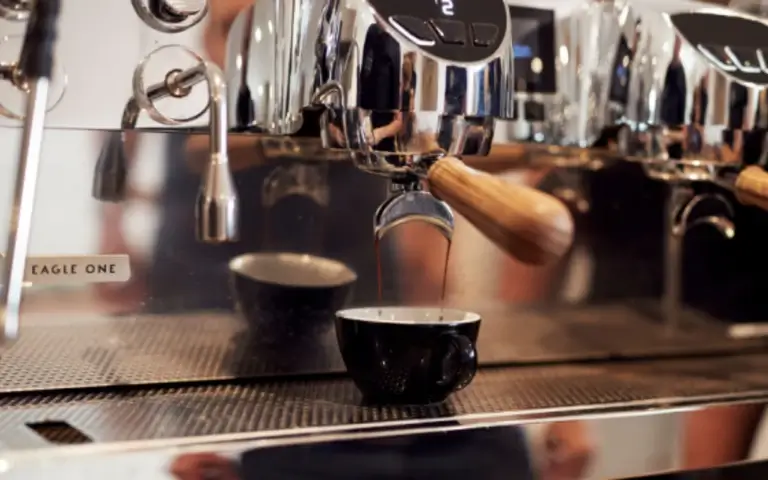
An espresso machine uses heated water under pressure to extract coffee from finely ground beans. The process depends on several variables, including grind size, dose, water temperature, pressure and extraction time.
Different machines offer different levels of control and automation. Some allow baristas to adjust settings manually, while others include programmed functions designed to support consistency.
Understanding these differences helps buyers select equipment that matches their workflow and skill level.
Choosing Equipment for the Intended Environment
The right machine for a home kitchen may not be suitable for a busy café. Commercial environments often require equipment designed to handle repeated use and higher drink volumes.
Before selecting a model, estimate how many espresso-based drinks will be prepared during peak periods. Consider whether the machine needs to serve several staff members simultaneously and whether it can support the menu.
Important questions include:
- How many drinks are expected per hour?
- Will the business serve milk-based beverages?
- How much counter space is available?
- Does the machine need one or multiple group heads?
- What electrical and water connections are required?
- Who will maintain and service the equipment?
These questions help prevent a purchase that is either underpowered or unnecessarily complex.
Understanding Different Machine Features
Espresso machines can include a range of features. Temperature controls, pressure systems, programmable dosing and steam wands can influence the preparation process.
A machine with more features is not automatically the best choice. Staff should be able to operate it confidently, and the business should have access to appropriate maintenance support.
For cafés serving cappuccinos, lattes and other milk-based drinks, steam performance may be particularly important. Businesses focused mainly on espresso may prioritise different features.
The Importance of a Good Grinder
The grinder is a major part of espresso preparation. Coffee grounds that are too coarse or too fine can affect extraction, flavour and consistency.
A suitable grinder should allow precise adjustments and provide consistent results. Its capacity should also match the expected volume of drinks.
When budgeting for coffee equipment, buyers should consider the machine and grinder as parts of the same system rather than treating the grinder as an optional extra.
Water Quality and Regular Maintenance
Water quality can influence both coffee taste and machine condition. Mineral content and impurities may contribute to scale formation or other equipment problems.
Businesses should review the manufacturer’s water recommendations and consider suitable filtration where necessary.
Regular cleaning is also essential. Group heads, baskets, steam wands, drip trays and other components need to be maintained according to the equipment instructions.
A maintenance schedule can help staff complete daily cleaning and arrange professional servicing when required.
Training Staff for Consistent Results
Even high-quality equipment cannot guarantee consistent coffee without suitable preparation and training. Baristas need to understand grinding, dosing, tamping, extraction and milk texturing.
A clear workflow helps staff produce drinks more consistently during busy periods. Training should also cover cleaning procedures and the correct response to common equipment problems.
Businesses can benefit from documenting basic preparation standards so that quality does not depend entirely on one employee.
Comparing Espresso Machines in Hong Kong
Buyers should compare more than the initial price. Warranty terms, parts availability, technical support, installation requirements and servicing arrangements can influence the long-term value of the equipment.
Businesses researching an espresso machine hk option can review available product and service information before deciding which equipment suits their needs.
It is useful to ask suppliers about demonstrations, training, delivery and installation. A supplier that can explain operating requirements and after-sales support may help businesses make a more informed choice.
Planning the Equipment Budget
The total investment may include the espresso machine, grinder, water filtration, accessories, installation and staff training. Businesses should also account for regular cleaning products and future maintenance.
A lower initial price may not represent the best long-term value if parts are difficult to obtain or servicing is limited.
Compare equipment according to expected use, reliability, support and total ownership costs. A realistic budget helps ensure that the machine supports the business rather than creating avoidable operational pressure.
FAQs
1. What is the difference between a home and commercial espresso machine?
Commercial machines are generally designed for higher workloads and repeated use. Home machines are typically intended for lower volumes. The correct choice depends on demand and operating requirements.
2. Is a separate coffee grinder necessary?
A suitable grinder is essential for consistent espresso preparation. Many buyers choose a separate grinder because grind size and consistency have a major effect on extraction.
3. How often should an espresso machine be cleaned?
Daily cleaning is usually required for components exposed to coffee and milk, while deeper maintenance should follow the manufacturer’s instructions. Commercial equipment may also need periodic professional servicing.
Conclusion
Choosing espresso equipment involves balancing drink volume, machine features, staff capability and long-term maintenance. A suitable grinder, appropriate water management and consistent staff training are equally important to the final result. By evaluating the complete coffee setup rather than the machine alone, businesses can make a more practical investment.