The world is witnessing a rapid transformation in energy production, with solar solutions leading the way. In Dubai, the push for clean energy has become a cornerstone of sustainable urban development. One of the most promising approaches is solar power construction in Dubai, which allows the city to harness abundant sunlight and reduce dependence on traditional fossil fuels.
This initiative not only contributes to environmental conservation but also offers significant economic and operational benefits. As urban spaces expand, integrating solar energy into infrastructure becomes more than just an option, it is a necessity. Developers, policymakers, and businesses are increasingly prioritizing energy-efficient designs that incorporate renewable technologies to meet future demands.
Advantages of Solar-Powered Systems
Adopting solar energy in construction projects brings multiple benefits, both environmentally and financially:
- Reduced Energy Costs: Solar installations significantly lower electricity bills, especially in high-sunlight regions like Dubai.
- Sustainability: Solar power systems reduce carbon footprints, supporting climate-conscious construction.
- Energy Independence: On-site solar solutions decrease reliance on external energy sources.
- Government Incentives: Dubai offers various schemes for solar-based initiatives, promoting wider adoption.
- Long-Term Reliability: Solar installations are durable and require minimal maintenance when designed properly.
Planning Efficient Solar Installations
Proper planning is crucial for maximizing the effectiveness of solar projects. Developers focus on site analysis, load calculations, and system integration to ensure optimal performance. Critical steps include:
- Feasibility Studies: Assessing sunlight availability, roof space, and structural integrity.
- System Design: Choosing the right panels, inverters, and mounting solutions tailored to building specifications.
- Compliance Checks: Meeting local building codes, safety standards, and sustainability regulations.
- Energy Optimization: Aligning solar systems with energy consumption patterns to maximize efficiency.
When these planning elements are executed correctly, projects incorporating solar power construction in Dubai achieve superior energy output and cost savings, making them a reliable long-term investment.
See also: What Are The 10 Best Data Science Consulting Firms Worldwide in 2026
Components of Modern Solar Installations
A solar-powered system is more than just panels on a roof. Understanding its components helps ensure longevity and efficiency:
- Photovoltaic Panels: Capture sunlight and convert it into electricity.
- Inverters: Transform DC electricity from panels into AC for daily use.
- Mounting Structures: Secure panels and optimize their angle toward the sun.
- Batteries and Storage Solutions: Store surplus energy for use during low sunlight periods.
- Monitoring Systems: Track system performance to maintain efficiency.
Every component plays a role in achieving consistent energy generation, and careful selection ensures minimal downtime and maintenance.
The Role of Advanced Module Fabrication
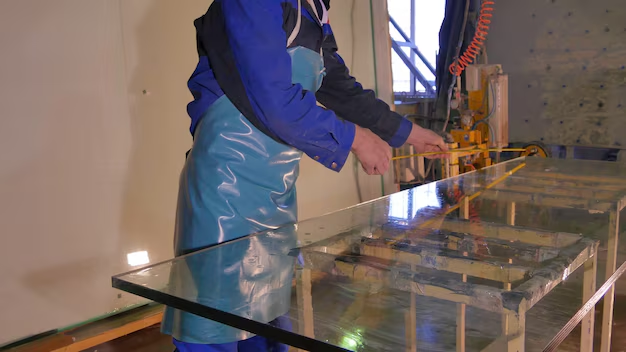
For a solar system to perform optimally, attention to detail in manufacturing is essential. This includes precision in solar PV module construction, where high-quality materials and assembly techniques directly influence efficiency and durability.
Key considerations in module fabrication include:
- Material Quality: Use of tempered glass, high-grade silicon cells, and corrosion-resistant frames.
- Cell Configuration: Optimized layout for maximum sunlight absorption.
- Encapsulation Techniques: Protecting cells from moisture, dust, and environmental stress.
- Electrical Connections: Ensuring consistent current flow without loss.
- Testing and Quality Assurance: Rigorous checks for voltage, power output, and mechanical strength.
Investing in meticulous construction of modules ensures long-term reliability, reducing maintenance costs and enhancing overall system productivity.
Choosing the Right Solar Panels
Selecting the right panels requires balancing efficiency, cost, and durability. Factors to consider include:
- Monocrystalline vs. Polycrystalline Panels: Monocrystalline offers higher efficiency, while polycrystalline is cost-effective.
- Temperature Coefficients: Ensures panels perform well under Dubai’s high temperatures.
- Warranty and Lifespan: Longer warranties provide assurance of consistent output.
- Energy Output Ratings: Panels should match the intended load requirements for optimal performance.
By understanding these aspects, businesses and homeowners can make informed choices that maximize their investment in renewable energy.
Installation Best Practices
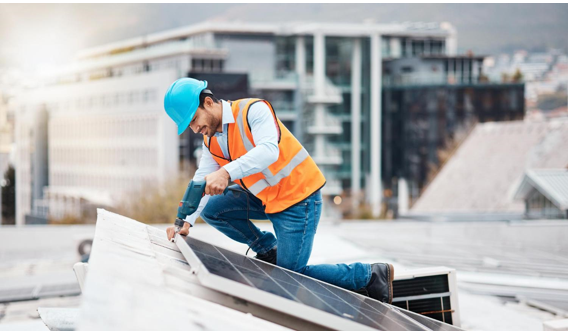
Proper installation is critical for achieving maximum energy efficiency. Key practices include:
- Optimal Orientation: Positioning panels to capture maximum sunlight throughout the day.
- Structural Safety: Ensuring rooftops or mounting structures support the weight of solar arrays.
- Electrical Integration: Professional wiring and inverter installation to prevent losses.
- Regular Maintenance: Cleaning panels and inspecting connections to maintain efficiency.
- Monitoring Systems: Real-time tracking helps identify potential issues early.
When combined with quality solar pv module construction, these practices ensure long-term performance and reliability for every installation.
Promoting Renewable Initiatives in Urban Projects
Dubai’s vision for sustainability encourages the incorporation of solar systems in both residential and commercial projects. Developers are increasingly:
- Integrating solar energy into new buildings.
- Retrofitting existing structures with solar panels.
- Partnering with specialized manufacturers for high-quality module supply.
- Educating tenants and users about energy conservation benefits.
This approach not only aligns with environmental goals but also increases property value and operational savings.
Overcoming Common Challenges
While solar adoption is beneficial, it does come with certain challenges:
- High Initial Investment: Though long-term savings are significant, upfront costs can be substantial.
- Space Limitations: Urban structures sometimes lack adequate area for large installations.
- Environmental Factors: Dust and heat can affect panel efficiency without proper maintenance.
- Technical Expertise: Professional installation and monitoring are crucial for reliable performance.
Addressing these challenges with careful planning and quality construction ensures the longevity and effectiveness of solar systems.
Future Trends in Solar Energy
Solar technology continues to evolve rapidly, offering more opportunities for efficient energy generation:
- Smart Solar Panels: Incorporating IoT and AI for real-time optimization.
- Flexible and Lightweight Panels: Suitable for diverse building structures.
- Hybrid Systems: Combining solar with wind or battery storage for consistent power supply.
- Sustainable Materials: Eco-friendly module fabrication reduces environmental impact.
Investments in innovation and quality solar pv module construction are expected to further enhance efficiency, making renewable energy more accessible and reliable.
Conclusion
The adoption of solar energy in Dubai represents a forward-thinking approach to urban development and sustainable living. From planning and design to execution, each aspect of solar power construction Dubai contributes to energy efficiency, cost savings, and environmental stewardship. Similarly, quality-focused solar pv module construction ensures long-term reliability and performance, making renewable energy a practical choice for modern projects.
For businesses and homeowners seeking high-quality solutions, partnering with experienced manufacturers is key. Companies like Biston Steel Manufacturing provide durable materials and expert support, ensuring that solar installations remain robust and efficient for years to come. By investing in such solutions, Dubai continues to set a benchmark for sustainable urban energy practices.