Maintaining a clean and hygienic workplace is essential for the health, comfort, and productivity of employees. One often-overlooked aspect of workplace cleanliness is the state of the carpets. Carpets can harbor dirt, allergens, bacteria, and other contaminants that affect indoor air quality and the overall environment. Commercial carpet cleaning services provide professional solutions to address these issues, ensuring a cleaner and healthier workplace.
In this article, we will explore how commercial carpet cleaning services can improve workplace hygiene and why investing in them is a smart choice for businesses.
Why Workplace Hygiene Matters
The Impact of Cleanliness on Employee Health
Workplace hygiene plays a critical role in preventing illnesses and reducing the spread of germs. Dirty carpets can accumulate dust, mold, bacteria, and allergens over time, which can trigger respiratory issues, allergies, and other health problems among employees. Poor hygiene may also lead to an increase in sick days, negatively affecting productivity and morale.
Enhancing Professional Image
A clean workplace not only contributes to employee well-being but also reflects a business’s professionalism. Visitors, clients, and potential partners notice the cleanliness of a workspace, and dirty or stained carpets can leave a poor impression. Commercial carpet cleaning services help maintain a pristine environment that aligns with professional standards.
How Carpets Contribute to Workplace Contamination
Dirt and Dust Accumulation
Carpets act like a sponge, trapping dirt, dust, and debris brought in from outside. Foot traffic constantly pushes these particles deeper into the carpet fibers, where they are difficult to remove with standard vacuuming. Over time, this buildup can affect air quality and create an unhealthy environment.
Allergens and Respiratory Risks
Dust mites, pollen, and pet dander can accumulate in carpets, especially in office areas with high foot traffic or poor ventilation. Employees with allergies or asthma may experience symptoms such as sneezing, coughing, or watery eyes. Professional carpet cleaning removes these allergens, helping to maintain a healthier workspace.
Bacteria and Mold Growth
Spills, moisture, and inadequate cleaning can lead to bacteria and mold growth within carpets. Certain bacteria can trigger infections or skin irritations, while mold spores can lead to respiratory problems. Commercial carpet cleaning services use specialized techniques and equipment to eliminate these microbial threats effectively.
Benefits of Commercial Carpet Cleaning Services
Deep Cleaning Beyond Regular Vacuuming
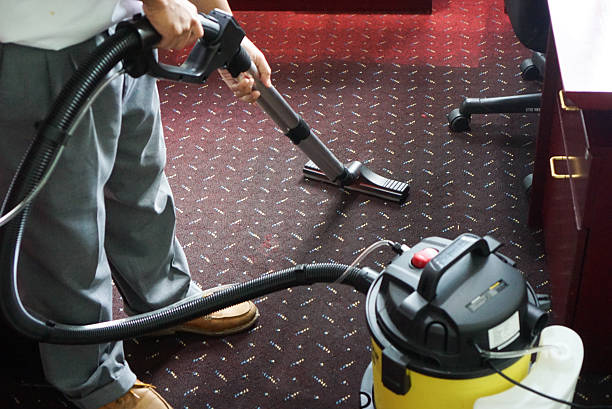
Unlike routine vacuuming, commercial carpet cleaning services provide deep cleaning that reaches below the carpet surface. Techniques such as hot water extraction, steam cleaning, and dry cleaning remove embedded dirt, stains, and contaminants that cannot be reached by standard cleaning methods.
Extending Carpet Lifespan
Regular professional cleaning helps maintain carpet fibers, preventing premature wear and tear. By removing dirt and debris that can damage fibers over time, businesses can extend the lifespan of their carpets, reducing replacement costs.
Improved Indoor Air Quality
Carpets can release trapped dust and allergens into the air if not properly cleaned. Professional cleaning removes these particles, enhancing indoor air quality and creating a healthier environment for employees. This is particularly important in workplaces with high foot traffic or in regions with significant seasonal pollen.
Odor Removal
Odors from spills, food, or other contaminants can linger in carpets and affect workplace comfort. Commercial carpet cleaning services use advanced cleaning solutions and deodorizing techniques to remove unpleasant odors, leaving carpets fresh and clean.
Common Methods Used in Commercial Carpet Cleaning
Hot Water Extraction (Steam Cleaning)
Hot water extraction, commonly known as steam cleaning, involves injecting hot water and cleaning solution into the carpet and then extracting it along with dirt and contaminants. This method is highly effective at removing deep-seated dirt and bacteria.
Dry Carpet Cleaning
Dry carpet cleaning uses minimal moisture and specialized cleaning compounds that attract dirt particles. This method is faster than wet cleaning and reduces the risk of mold growth due to excessive moisture.
Encapsulation
Encapsulation involves applying a cleaning solution that crystallizes dirt particles. Once dry, the dirt can be vacuumed away, leaving carpets clean without soaking them. This method is effective for high-traffic areas and offices that require quick turnaround times.
Bonnet Cleaning
Bonnet cleaning involves a rotating pad soaked in a cleaning solution that absorbs dirt from the carpet surface. This method is suitable for light cleaning and maintaining appearance between deep cleaning sessions.
See also: Mortgage Broker Delivering Customized Solutions for Every Home Buyer
Best Practices for Maintaining Carpet Hygiene Between Professional Cleanings
Regular Vacuuming
Vacuuming high-traffic areas frequently helps remove loose dirt and debris before it becomes embedded in the carpet fibers. Using a vacuum with HEPA filtration further reduces allergens.
Prompt Spill Cleanup
Addressing spills immediately prevents stains and microbial growth. Blot spills rather than rubbing them to avoid spreading the liquid and damaging fibers.
Routine Inspections
Conducting regular inspections for stains, wear, and moisture can help identify areas that need immediate professional cleaning, reducing the risk of long-term damage and health hazards.
Conclusion
Investing in commercial carpet cleaning services is more than just a cosmetic choice—it is an essential step in maintaining workplace hygiene. Professional cleaning removes dirt, allergens, bacteria, and odors, improving air quality and creating a healthier, more comfortable environment for employees and visitors alike.
By combining regular professional cleaning with proper maintenance practices, businesses can enhance their professional image, prolong carpet life, and promote a culture of health and cleanliness in the workplace. Ensuring that carpets are not just clean but hygienic ultimately contributes to a safer, more productive, and welcoming work environment.