Industrial drying solutions play a crucial role in today’s manufacturing and processing sectors. Across industries such as pharmaceuticals, food processing, chemicals, oil and gas, marine, construction, and heavy engineering, effective moisture control is essential for maintaining product integrity, protecting equipment, and ensuring safe working conditions. Far beyond simply removing water, modern industrial drying involves precise environmental control balancing temperature, humidity, and airflow to meet strict operational standards.
As global industries demand higher productivity, stricter compliance, and improved sustainability, industrial drying solutions have evolved into highly engineered systems designed to deliver consistent, measurable performance.
Understanding Industrial Drying
Industrial drying refers to the controlled removal of moisture from materials, air, or enclosed environments to achieve specific production goals. Unlike domestic or small-scale drying equipment, industrial systems are designed to handle large volumes, complex materials, and demanding operational conditions. In the middle of such large-scale industrial operations, experienced service providers like TDA Asia. lay a vital role by delivering engineered drying and dehumidification solutions tailored to complex project requirements, ensuring efficiency, reliability, and precise environmental control.
Moisture can impact industrial processes in several ways:
- It can alter chemical reactions.
- It may reduce product shelf life.
- It can cause corrosion and structural degradation.
- It may lead to microbial growth or contamination.
- It can disrupt surface coating and painting applications.
Because of these risks, moisture control must be carefully engineered rather than improvised.
Core Technologies in Industrial Drying
Modern industrial drying solutions typically combine multiple technologies to deliver optimal results. The most common systems include:
1. Desiccant Dehumidification
Desiccant dehumidifiers use moisture-absorbing materials to remove water vapor from the air. These systems are capable of achieving extremely low humidity levels, even in challenging environments. They are widely used in applications where precise humidity control is essential, such as pharmaceutical production, coating processes, and confined space maintenance.
Unlike conventional refrigeration-based dehumidifiers, desiccant systems perform efficiently even at low temperatures, making them suitable for a broad range of industrial settings.
2. Refrigerant (Condensing) Dehumidifiers
Refrigerant systems remove moisture by cooling air below its dew point, causing condensation. These systems are ideal for general-purpose drying and humidity reduction in moderately controlled environments.
See also: The Psychological Impact of Technology
They are commonly used in warehouses, production floors, and storage facilities where maintaining stable humidity levels is important but ultra-low humidity is not required.
3. Ventilation and Airflow Systems
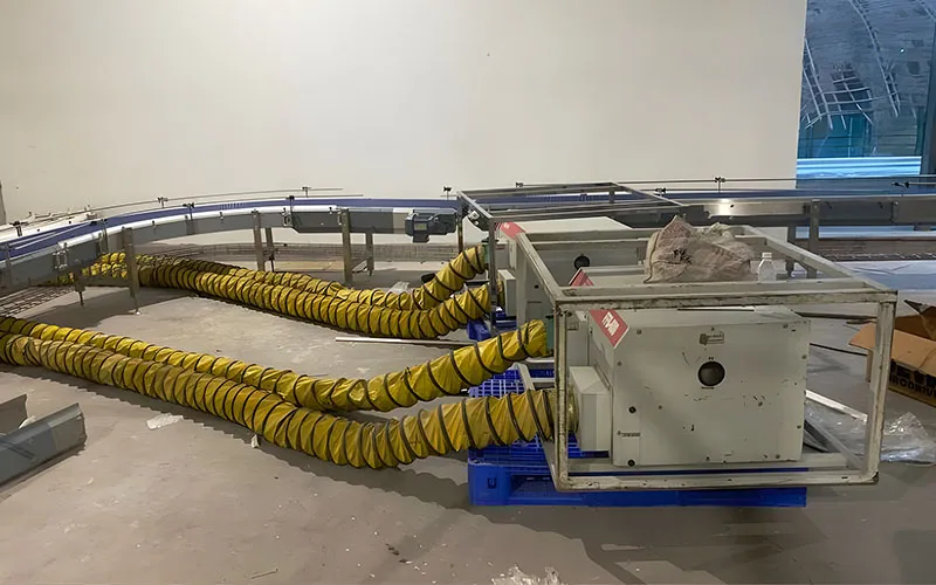
Effective airflow management is just as important as moisture extraction. High-capacity blowers and ventilation units circulate dry air through confined or enclosed spaces, ensuring uniform drying and preventing stagnant zones.
In applications such as tank drying, ship holds, or large industrial vessels, engineered airflow systems ensure that every surface receives adequate drying exposure.
4. Containerized and Portable Drying Units
For industries requiring mobility and rapid deployment, containerized drying units offer flexibility and scalability. These systems are often used in oil and gas maintenance projects, marine operations, and large construction sites where temporary environmental control is needed.
Portable units allow industries to respond quickly to emergency drying requirements, including flood damage restoration or urgent corrosion prevention.
Importance of Industrial Drying Across Key Sectors
Pharmaceuticals
In pharmaceutical manufacturing, moisture levels directly influence product stability and effectiveness. Even minor variations in humidity can affect crystallization processes, powder consistency, and tablet formation. Controlled drying ensures compliance with regulatory standards and protects sensitive formulations.
Food Processing
Drying is one of the oldest and most effective food preservation methods. Industrial drying solutions help remove moisture from grains, fruits, spices, and processed foods, preventing microbial growth and extending shelf life. Modern systems ensure consistent drying without compromising taste, texture, or nutritional value.
Chemicals and Petrochemicals
Moisture can interfere with chemical reactions, dilute concentrations, and damage stored materials. In refineries and chemical plants, drying solutions help maintain safe operational environments while protecting valuable equipment from corrosion.
Oil and Gas
During maintenance shutdowns, storage tanks and pipelines must be thoroughly dried to prevent rust formation. High-capacity dehumidification systems create safe working conditions while ensuring that surfaces remain free of condensation before recoating or inspection.
Marine and Shipbuilding
Ships operating in humid and salt-laden environments are highly susceptible to corrosion. Industrial drying systems help maintain dry conditions inside cargo holds, engine rooms, and storage areas. This significantly reduces long-term maintenance costs.
Construction and Surface Preparation
In painting and coating applications, humidity control is critical. If surfaces are exposed to excessive moisture, flash rusting and coating failure can occur. Technical Drying Services (Asia) Pvt. Ltd. provides specialized industrial drying solutions that create optimal environmental conditions, improving adhesion and coating durability while ensuring reliable and consistent results in demanding industrial environments.
Engineering Versus Standard Equipment
One of the biggest distinctions in industrial drying lies between engineered systems and off-the-shelf equipment.
Standard drying units may provide temporary relief, but large-scale industrial environments require tailored solutions designed around:
- Space dimensions and layout
- Material characteristics
- Required humidity levels
- Temperature constraints
- Safety regulations
- Energy efficiency goals
Engineered drying solutions involve site assessments, technical planning, system integration, and ongoing monitoring. This comprehensive approach ensures reliable performance under real-world industrial conditions.
Role of Professional Drying Service Providers
Specialized companies bring expertise, advanced equipment, and technical support to complex drying projects. One such provider is Technical Drying Services (Asia) Pvt. Ltd., known for delivering engineered air solutions across diverse industries.
Professional service providers typically offer:
- Desiccant dehumidification systems
- Ventilation and airflow engineering
- Confined space drying solutions
- Containerized drying equipment
- Project planning and on-site technical support
By combining technical knowledge with practical field experience, these companies help industries reduce downtime, improve safety, and maintain operational continuity.
Energy Efficiency and Sustainability
As industries face increasing pressure to reduce their environmental footprint, energy efficiency has become a critical factor in industrial drying design.
Modern drying systems incorporate:
- Energy recovery technologies
- Variable speed drives for airflow control
- Smart humidity sensors
- Automated monitoring systems
- Optimized heat exchange processes
These innovations reduce energy consumption while maintaining consistent performance. Sustainable drying solutions not only lower operational costs but also align with corporate environmental goals.
Smart Monitoring and Automation
The integration of digital technologies has transformed industrial drying operations. Today’s systems often include real-time monitoring tools that track:
- Relative humidity levels
- Air temperature
- Airflow rates
- Energy usage
- Equipment performance
With remote monitoring capabilities, plant managers can adjust settings instantly and respond to environmental changes before they impact production. Predictive maintenance alerts further reduce the risk of unexpected equipment failure.
Benefits of Effective Industrial Drying
Investing in robust industrial drying solutions delivers measurable advantages:
Improved Product Quality
Consistent moisture control ensures uniform production standards and reduces defects.
Reduced Downtime
By preventing corrosion and contamination, drying systems minimize costly repairs and production interruptions.
Enhanced Worker Safety
Proper ventilation and humidity control improve air quality and reduce heat stress in confined environments.
Extended Equipment Lifespan
Moisture-related damage is significantly reduced, protecting critical machinery and infrastructure.
Regulatory Compliance
Industries such as pharmaceuticals and food processing benefit from precise environmental control that supports compliance with industry standards.
The Future of Industrial Drying
Looking ahead, industrial drying will continue evolving through smarter technologies and greater automation. Future systems are likely to feature:
- AI-driven environmental optimization
- Advanced desiccant materials with higher absorption efficiency
- Compact, high-capacity modular units
- Integrated environmental control platforms
As manufacturing becomes increasingly precise and data-driven, industrial drying solutions will remain a foundational element of operational excellence.
Conclusion
Industrial drying solutions are far more than moisture removal systems. They are engineered environmental control strategies that safeguard product quality, protect assets, and enhance workplace safety. Across sectors ranging from pharmaceuticals and food processing to oil and gas and marine industries, effective drying is essential to maintaining operational reliability.
With advancements in desiccant technology, airflow engineering, automation, and energy efficiency, industrial drying has become a sophisticated and indispensable component of modern industry. Organizations that invest in professionally engineered drying solutions position themselves for greater productivity, reduced risk, and long-term sustainability.
In an environment where precision matters and downtime is costly, industrial drying solutions are not just supportive systems—they are strategic assets driving industrial success.