Natural light has become a defining feature of contemporary building design. Across residential, commercial and mixed use developments, there is a clear move towards interiors that feel open, comfortable and well balanced. Search trends continue to highlight strong interest in daylight focused architecture, with solutions such as framed flat glass rooflight systems reflecting growing awareness of wellbeing, sustainability and spatial quality.
Flat roof buildings are central to this shift. Once viewed mainly through a practical lens, they are now being designed and upgraded to deliver better internal environments. Roof based glazing plays a key role in this transformation, helping interiors feel more connected to the outside while supporting modern design expectations.
Understanding framed flat glass rooflight design
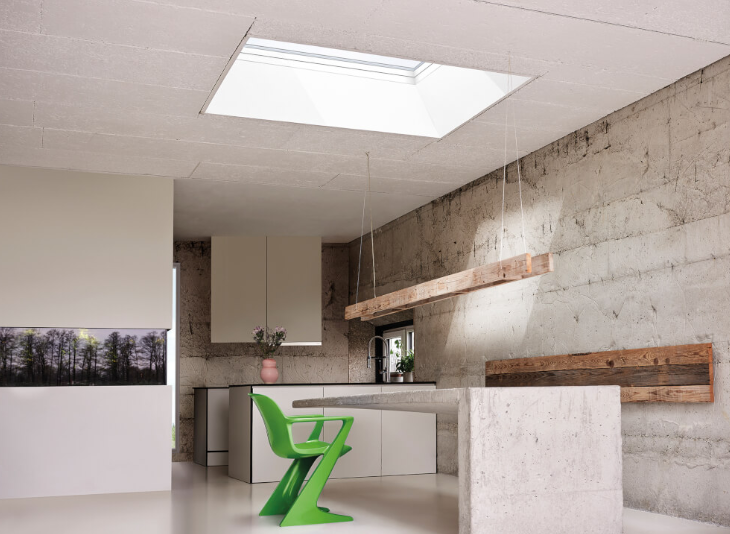
A framed flat glass rooflight combines clean visual lines with structural support, making it a popular choice for flat roof applications. The frame provides stability and definition, while the flat glass surface delivers clear, consistent daylight from above. This balance of form and function makes the system suitable for a wide range of building types.
Unlike more traditional roof openings, this style of rooflight sits neatly within the roof plane. The result is a minimal external appearance that complements modern architecture while enhancing the internal experience through improved light levels.
Why daylight remains a design priority
The value of daylight goes far beyond aesthetics. Well lit interiors support visual comfort, helping spaces feel calmer and more welcoming. Natural light also plays a role in regulating daily rhythms, contributing to improved alertness and overall wellbeing.
From a practical standpoint, daylight improves visibility and reduces reliance on artificial lighting during daytime hours. In flat roof buildings, where wall windows may be limited, roof glazing allows light to reach deeper into the interior, creating a more even and usable environment.
A solution suited to flat roof architecture
Flat roofs are widely used in modern construction due to their efficiency and clean appearance. Introducing daylight into these structures requires solutions that align with both performance and design requirements. Framed flat glass rooflight systems are designed to integrate seamlessly, maintaining the simplicity of the roof while delivering strong visual impact inside.
Their flat profile ensures they do not disrupt the external form of the building. Internally, the clear glass creates a direct connection to the sky, enhancing the sense of openness even in compact or deep plan spaces.
Supporting sustainable building goals
Sustainability continues to shape decisions across the built environment. Buildings are expected to perform responsibly, balancing comfort with environmental awareness. Lighting is a significant contributor to energy use, making natural daylight an important resource.
Roof based glazing helps maximise daylight during occupied hours, reducing dependence on artificial systems. When combined with good insulation and thoughtful layout planning, this approach supports a more balanced internal environment. It reflects a broader trend towards designing buildings that work with natural elements rather than relying entirely on mechanical solutions.
Enhancing comfort and wellbeing
Comfort is influenced by light quality as much as temperature or layout. Spaces that receive daylight from above often feel more balanced, with fewer shadows and less visual strain. This is particularly valuable in areas used for extended periods, such as living spaces, workplaces or shared environments.
Flat glass roof glazing provides consistent illumination that changes naturally throughout the day. This dynamic quality helps interiors feel alive and responsive, supporting a more positive experience for occupants.
Applications across different building types
Framed flat glass rooflight systems are used across a wide range of settings. In residential projects, they are often installed in flat roof extensions, kitchens and open plan living areas to introduce daylight where wall glazing is limited. The result is a brighter, more inviting home environment.
In commercial and public buildings, roof glazing enhances circulation spaces, meeting areas and work zones. Improved light levels can influence how spaces are perceived and used, supporting productivity and comfort in equal measure.
Performance and durability expectations
Any roof installation must meet high standards of performance. Framed flat glass rooflight solutions are engineered to withstand weather exposure while maintaining thermal efficiency and resistance to water ingress. Advances in glazing technology have improved insulation and clarity, ensuring reliable performance over time.
The frame itself plays a crucial role in long term durability. Correct specification ensures compatibility with the roof structure, supporting both structural integrity and visual quality. When properly designed and installed, these rooflights offer lasting value without compromising the building envelope.
Safety and building standards
Safety is a fundamental consideration in roof design. Modern roof glazing systems are developed to meet relevant building standards, ensuring they perform safely as part of the wider roof assembly. This includes considerations around strength, installation detailing and integration with other roof elements.
Addressing these requirements early in the design process helps ensure smooth installation and long term confidence in use. A considered approach allows daylighting solutions to enhance interiors while maintaining full compliance.
See also: Mortgage Broker Delivering Customized Solutions for Every Home Buyer
The role of specialist expertise
As roof glazing solutions become more refined, specialist knowledge plays an increasingly important role in successful projects. Working with experienced providers helps ensure that rooflights are specified correctly and integrated seamlessly into the overall design. Companies such as Skylights Roof Lanterns bring technical insight that supports both performance and visual intent.
Specialist guidance helps balance design ambition with practical considerations, ensuring that roof glazing delivers genuine benefits rather than superficial improvements.
Future focused design trends
Current trends suggest continued demand for buildings that feel brighter, healthier and more sustainable. Flat roof architecture is well placed to respond to these expectations, using roof glazing to enhance both form and function.
Daylighting will remain central to this evolution, shaping interiors that feel adaptable and future ready. Flat glass roof glazing systems align naturally with this direction, offering a refined solution that meets modern performance and design standards.
Conclusion
The integration of framed flat glass rooflight solutions reflects a broader shift towards thoughtful, light led design. By introducing daylight from above, flat roof buildings can achieve interiors that feel more open, comfortable and visually appealing. With careful planning and trusted expertise such as Skylights Roof Lanterns, these systems can play a key role in creating modern spaces that balance sustainability, performance and everyday comfort.