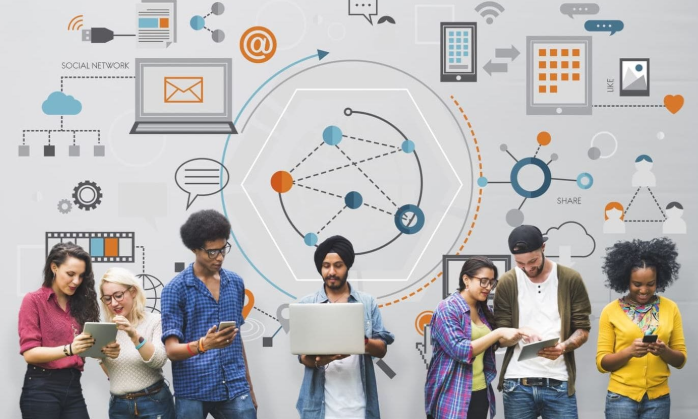
The psychological impact of technology presents complex challenges for modern society. Individuals often experience heightened anxiety due to the pressures of constant connectivity and the demands of social media. This environment can erode self-esteem, leading to a cycle of isolation and dissatisfaction. As screen time increases, so do reports of anxiety and depression. Understanding these dynamics is crucial. What strategies can be employed to mitigate these effects while fostering healthier interactions?
The Anxiety of Constant Connectivity
How does the incessant ping of notifications influence mental well-being?
The omnipresent smartphone dependency fosters anxiety, as individuals struggle to disconnect. This constant connectivity can lead to heightened stress levels and diminished focus.
Engaging in a digital detox offers a pathway to reclaiming mental clarity and emotional balance, allowing people to break free from the overwhelming cycle of notifications and prioritize their well-being.
See also: The Long-Term Impact of Technology on Humanity
Social Media and Self-Esteem
The pervasive nature of social media has introduced a complex relationship between online interactions and self-esteem. Individuals often engage in social comparison, measuring their worth against curated online personas.
This pursuit of online validation can lead to feelings of inadequacy and anxiety, as the constant cycle of likes and comments impacts self-worth. Consequently, the quest for acceptance may undermine genuine self-esteem and personal fulfillment.
The Impact of Technology on Relationships
As individuals increasingly rely on technology for communication, the dynamics of personal relationships have shifted significantly.
Online communication fosters connections that transcend geographical barriers, yet it can hinder emotional depth. While virtual intimacy offers convenience, it may lack the authenticity of face-to-face interactions.
This duality prompts reflection on how technology shapes interpersonal bonds, emphasizing the need for balanced engagement in both realms.
Digital Addiction and Mental Health
What are the underlying consequences of digital addiction on mental health? Increased screen time often correlates with anxiety and depression, as individuals may experience withdrawal symptoms when disconnected.
This dependency on digital devices can diminish real-life interactions, leading to a sense of isolation. Understanding these psychological effects is essential for promoting healthier habits and fostering emotional well-being in an increasingly connected world.
Conclusion
In the intricate tapestry of modern life, technology serves as both a thread and a snare, weaving connections yet ensnaring individuals in a web of anxiety and isolation. As the digital landscape expands, the importance of cultivating mental well-being becomes increasingly evident. By establishing boundaries and prioritizing authentic interactions, individuals can untangle themselves from the pervasive effects of constant connectivity. Ultimately, fostering a balanced relationship with technology is essential for nurturing both mental health and meaningful connections.