Setting up a living room sounds simple until you actually start doing it. You buy a recliner you love, bring home a TV unit that looks great in the store, and then realise they look completely off together. The recliner blocks the walkway, or the TV sits too high, or the whole room just feels like a collection of random furniture.
It does not have to be that way. Here are seven ideas that actually work.
1. Keep It Straight and Simple
Sometimes the most obvious layout is the best one. TV unit on one wall, recliners placed directly in front. No angles, no drama.
What makes this work is getting the distance right. Sit too close, and your eyes feel the strain. Too far and you are squinting. A good starting point is roughly three times the diagonal size of your screen. So if you have a 50-inch TV, sit about 12 to 13 feet away. Adjust based on what feels comfortable for your eyes.
2. Use the Corner Smartly
Most living rooms waste their corners. A simple fix is to place TV units diagonally in the corner and arrange an L-shaped recliner sofa facing them. Everyone gets a clear view, the corner stops being dead space, and the room suddenly feels like it was thought through.
This works especially well for families where different people sit in different spots. Nobody ends up with a bad angle.
3. Build Around One Full Wall
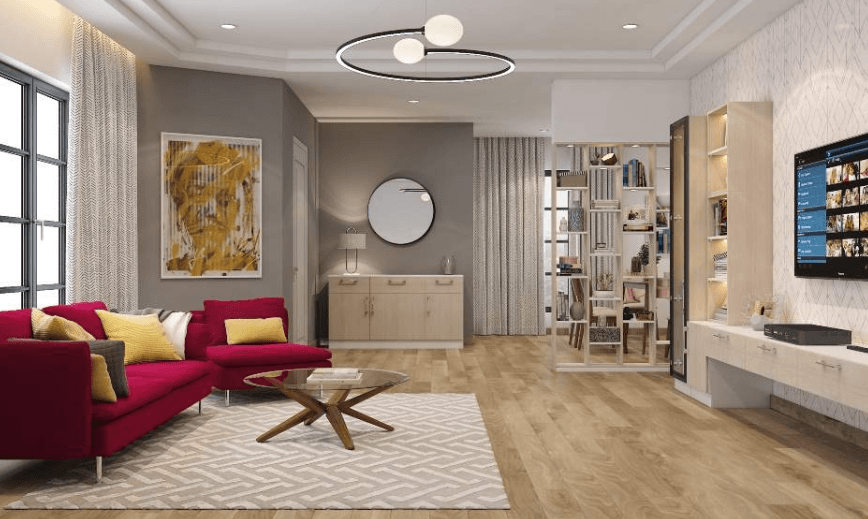
If you are planning your living room from the start, consider dedicating an entire wall to a built-in TV unit. Floor-to-ceiling shelves, some closed cabinets for storage, and the TV sitting right in the centre.
Then place two recliners facing it, one on each side, with a small table between them. It looks very intentional. Not like furniture that was just placed wherever it fit.
4. Bring in the Home Theatre Feeling
This one is for people who take their movie watching seriously. Arrange two or three recliners in a slight curve, all facing the TV unit. If your room has enough depth, you can even raise the back row a little so no one has to crane their neck.
One thing people often get wrong here is mounting the TV too high on the wall. When you are reclined, your natural eye line drops. A TV mounted at standing eye level will have you tilting your head back all evening. Keep the screen lower than you normally would.
5. One Good Recliner, One Clean Wall
Not every room needs three recliners and a massive TV unit. Sometimes less works better.
Pick one recliner that you genuinely love and place it at a slight angle facing a wall-mounted floating TV unit. The floating unit keeps the floor clear, which makes smaller rooms feel open. The single recliner becomes a proper focal point instead of just another piece of furniture.
This setup is very easy to pull off and even easier to keep tidy.
See also: Mortgage Broker Delivering Customized Solutions for Every Home Buyer
6. Mix a Sofa with One or Two Recliners
Not everyone wants a full recliner setup. A practical middle ground is to keep a regular sofa as the main seating and add one recliner on the side for whoever needs it most, usually the person who complains most about back pain.
Face the sofa towards the TV unit and angle the recliner slightly so it gets a good view too. Use similar colours or fabrics to tie them together. They do not have to match exactly, but they should at least look like they belong in the same room.
7. Let the TV Unit Set the Tone
Pick your TV unit first and let everything else follow from it. The finish, the colour, and the style of the unit set the mood for the whole room.
A dark wood unit with clean lines pairs well with recliners in warm tones like rust, tan, or olive. A white or light grey unit is more flexible and works with almost any recliner colour. When the two pieces share some visual connection, whether through colour, material, or shape, the room stops looking assembled and starts looking designed.
Before You Buy Anything
Measure your room properly. Recliners need breathing room behind them when pushed back fully. Many people skip this step, bring the chair home, and then find it bumping into the wall every time they recline.
Draw out the layout on paper or use a simple floor plan app. It takes twenty minutes and saves a lot of frustration later.