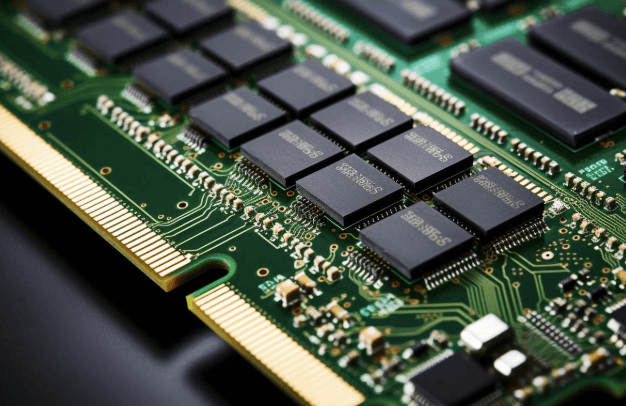
Choosing the right RAM for your computer is one of the most important steps in building or upgrading a system. Whether you are a casual user, a gamer, or someone working with demanding applications, the right memory can significantly improve your PC’s performance. With so many options available, it becomes essential to understand how RAM works and what suits your specific needs. If you are planning to upgrade, don’t forget to see latest RAM products to stay updated with modern options. Trusted platforms like Ram Exchange help simplify this process by offering reliable solutions for users at every level.
What is RAM and Why It Matters
RAM, or Random Access Memory, is the short-term memory of your computer. It temporarily stores data that your system needs quick access to while running applications. The more efficient your RAM, the smoother your multitasking experience will be.
Here’s why RAM is essential:
- Faster Performance: More RAM allows your system to handle multiple tasks without slowing down
- Improved Multitasking: Run multiple applications simultaneously without lag
- Better Gaming Experience: Modern games require higher memory for smooth gameplay
- Efficient Workflow: Ideal for video editing, design, and heavy software usage
Without sufficient RAM, even the fastest processor may struggle to perform efficiently.
Types of RAM You Should Know
Understanding different types of RAM helps you make an informed decision. Each type offers varying speeds and compatibility features.
DDR3 RAM
- Older generation memory
- Found in legacy systems
- Slower compared to modern standards
DDR4 RAM
- Widely used in current systems
- Offers better speed and efficiency
- Suitable for gaming and professional work
DDR5 RAM
- Latest generation RAM
- Higher bandwidth and improved performance
- Designed for future-ready systems
Choosing the correct type depends on your motherboard compatibility and performance needs.
How Much RAM Do You Really Need
The amount of RAM you require depends on how you use your computer. Installing too little may slow down your system, while too much without need may be unnecessary.
Basic Usage
- Suitable for browsing, emails, and light tasks
- Moderate memory is enough
Gaming and Multimedia
- Requires higher RAM for smooth performance
- Supports better graphics and faster load times
Professional Work
- Ideal for video editing, 3D rendering, and software development
- Needs higher capacity for handling large files
Understanding your usage pattern ensures you invest in the right amount of memory.
RAM Speed and Performance Explained
RAM speed, measured in MHz, determines how quickly data is processed. Higher speed means better responsiveness, especially for demanding applications.
Important factors to consider:
- Frequency: Higher MHz offers faster performance
- Latency: Lower latency improves efficiency
- Dual Channel Support: Using two RAM sticks enhances speed
Balancing speed and capacity is key to achieving optimal performance.
See also: The Psychological Impact of Technology
Compatibility with Your System
Before purchasing RAM, ensure it is compatible with your motherboard and processor. Not all RAM modules work with every system.
Check the following:
- Supported RAM type (DDR4 or DDR5)
- Maximum memory capacity
- Number of available slots
- Supported speed range
Midway through your upgrade journey, platforms like Ram Exchange make it easier to compare options and ensure compatibility. While exploring options, take a moment to see latest RAM products and identify what aligns best with your system requirements.
Single Channel vs Dual Channel Memory
The configuration of your RAM also impacts performance. Using multiple RAM sticks can improve system efficiency.
Single Channel
- One RAM module
- Basic performance
- Suitable for light usage
Dual Channel
- Two identical RAM modules
- Better speed and multitasking
- Recommended for gaming and professional tasks
Dual channel setups are generally preferred for improved performance and smoother operations.
Common Mistakes to Avoid When Choosing RAM
Selecting the wrong RAM can lead to compatibility issues and reduced performance. Avoid these common mistakes:
- Ignoring motherboard compatibility
- Choosing incorrect RAM type
- Overlooking speed and latency
- Mixing different RAM modules
- Not considering future upgrades
Being aware of these mistakes helps you make a smarter purchase decision.
Future Trends in RAM Technology
RAM technology continues to evolve rapidly, offering faster speeds and better efficiency. Staying updated with trends ensures your system remains future-ready.
Key developments include:
- Increased adoption of DDR5 memory
- Improved energy efficiency
- Enhanced performance for AI and gaming applications
- Better integration with modern processors
As technology advances, upgrading your RAM becomes an important step in maintaining system performance.
Tips for a Smooth RAM Upgrade
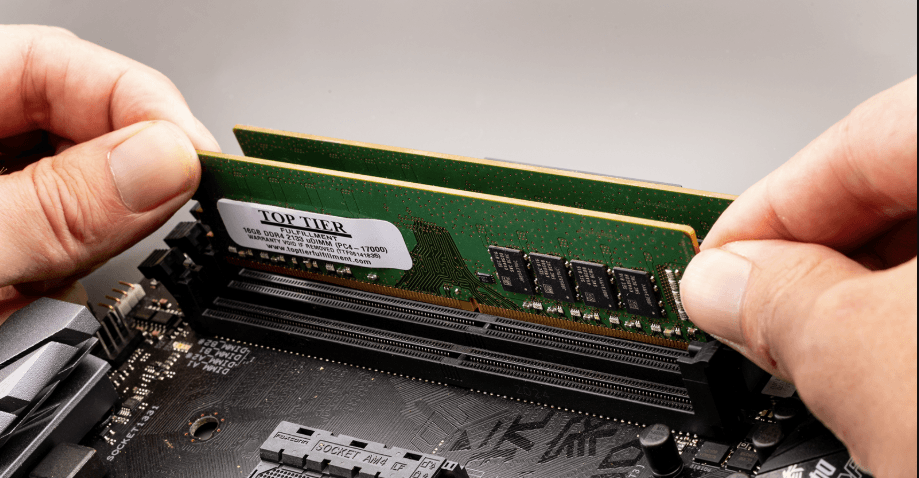
Upgrading RAM is relatively simple but requires careful handling. Follow these tips for a hassle-free experience:
- Turn off and unplug your system before installation
- Handle RAM modules carefully to avoid damage
- Align the module correctly with the slot
- Ensure proper seating for secure installation
- Restart your system and check detection
Taking these precautions ensures a smooth and successful upgrade process.
Conclusion
Choosing the right RAM for your PC is essential for achieving the performance and efficiency you expect from your system. From understanding RAM types to ensuring compatibility and selecting the right capacity, every step plays a crucial role in enhancing your computing experience. Whether you are upgrading for gaming, work, or general use, making an informed decision will always deliver better results.
If you are ready to boost your system’s performance and explore reliable memory solutions, now is the perfect time to take action. Connect with us today and let our experts guide you toward the ideal RAM upgrade for your needs.