A pond fountain can entirely alter the look and feel of a pond; however, not all are built around the same purpose. Some fountains are built mainly to create desirable water patterns, while others prioritise water circulation and aeration. It’s important to understand that there are several types of pond fountains on offer.
A fountain can create a pleasant water pattern, and yet not effectively aerate a pond. Decorative fountains will certainly attract positive feedback, while pond aeration fountains circulate more water. Both aerating and decorative fountains pump water into the air, but they emphasise different things. Pond fountains typically have more elaborate designs. Aerating pond fountains aim to move more water with a simpler style. It’s essential to determine what your pond will actually require.
What Is a Decorative Pond Fountain?
Beauty is usually the driving concern with the decorative style pond fountain. Water is pushed above the surface of the pond and through a jet, which directs it decoratively—to the centre, in a widely sweeping design, or perhaps using the complex movement of numerous jets of water.
Some decorative water features can also be adjusted, so your water fountain’s appearance can change without investing in an entirely new gadget. Fountain heads have tended to be more expressive than those built specifically for a single purpose.
Even so, decorative fountains affect the water by moving the surface and providing surface aeration. Still, they didn’t add water movement to begin with; they designed the fountains to produce maximum movement in any case.
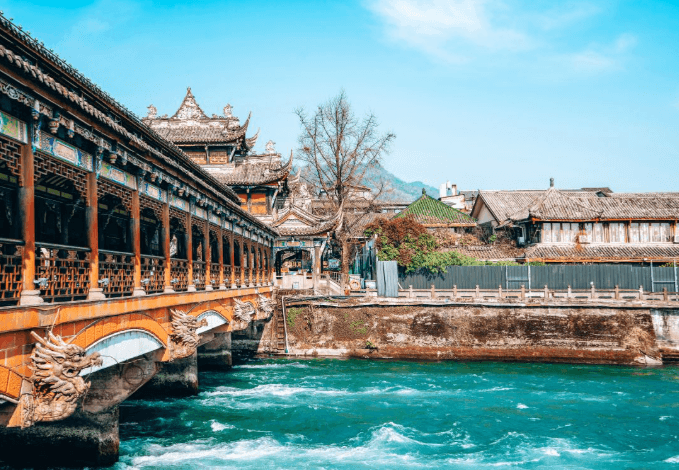
See also: Some Of the Very Best Chengdu Travel Attractions
What Is an Aerating Fountain?
An aerating fountain also creates a visible spray above the surface, but its main purpose is to move and expose more water to the air.
Instead of directing most of the available energy towards creating an elaborate display, the fountain is designed around water movement. The resulting spray may therefore be less intricate than that of a decorative fountain.
As water is pumped into the air and returns to the pond, it creates surface disturbance and promotes gas exchange. This helps increase oxygen transfer at the surface.
Aerating fountains can still provide an attractive visual feature. However, their appearance is generally secondary to their aeration function.
The Biggest Difference Is the Main Objective
One way to readily distinguish between water fountain types is with a simple question: “Why install the fountain in the first place?” If it’s to install a “show” or centrepiece then a decorative-style fountain might make more sense. After all, a wider range of water spray designs can make your water feature more integrated into the rest of your landscaping, while still drawing attention to it.
If you want a higher level of water agitation, a water aerating fountain might be a better choice. There’s a crossover between the two kinds: decorative fountains aerate the water, and aerated fountains are often very aesthetically pleasing; it’s simply one function that gets higher design priority than the others in each case.
Spray Patterns Can Affect Aeration
The appearance of a spray pattern is not purely decorative. It also influences how the fountain moves water.
An intricate pattern may direct water into narrow streams or create a tall visual display. An aerating fountain generally aims to move a substantial volume of water while exposing it to the atmosphere.
This is why the tallest or most complicated fountain display should not automatically be assumed to provide the greatest aeration.
When aeration matters, the amount of water moved deserves more attention than spray height alone. When appearance is the priority, pattern height, width and shape can receive greater consideration.
Decorative Fountains Offer More Visual Variety
One of the main advantages of decorative pond fountains is the range of visual effects they can create.
Different nozzle arrangements can produce patterns with varying heights, widths and shapes. Some fountain systems provide several interchangeable displays, allowing you to change the appearance to suit your preference.
This can be useful for ponds that form an important part of a garden, commercial landscape, entrance area or other visible setting.
The fountain should still be proportionate to the pond. A very large display in a relatively small pond may look out of scale and could send excessive spray beyond the intended area. Likewise, a small display can become visually lost in a large body of water.
Pond Size Should Influence Fountain Selection
Pond dimensions matter whether the fountain is decorative or aerating.
A small garden pond does not have the same requirements as a large pond or lake. Surface area, water volume and depth can all influence equipment selection.
For decorative applications, pond size affects how the fountain will look within the available space. The spray needs enough clearance so that water falls back into the pond rather than constantly reaching surrounding areas.
For aeration, pond dimensions matter even more because the goal is water movement rather than appearance alone. A fountain needs to be appropriately sized for the body of water it is expected to influence.
Horsepower Is Only One Part of the Decision
Fountain systems are available with different motor horsepower ratings, but choosing equipment should not be reduced to simply selecting the highest horsepower available.
A larger motor can support greater water movement or a larger display, but the appropriate specification depends on pond dimensions, intended fountain pattern and primary purpose.
Two fountains with similar horsepower may also perform differently because their designs and nozzles use the available power in different ways.
When comparing equipment, it is therefore more useful to consider horsepower alongside flow, display characteristics, pond size and intended function rather than treating it as an independent measure of fountain suitability.
Pond Depth Also Matters
Depth is another factor that can influence how effectively a fountain works within a pond.
Floating fountains need sufficient water depth for their intake and pumping components to operate properly. Placing a unit where the water is too shallow can interfere with installation and operation.
For many ponds, a floating fountain is positioned towards a deeper central area where it has suitable clearance and can create a balanced display.
However, a fountain primarily affects water near the surface. This matters more in deeper ponds, where surface movement does not necessarily mean water near the bottom is being circulated effectively.
Surface Aeration and Deep-Water Aeration Are Different
This distinction is one of the most important considerations when comparing pond equipment.
Fountains are effective at creating movement around the surface because they draw water, spray it into the air and return it to the pond. However, deep ponds can require circulation below the area directly influenced by the fountain.
A dedicated subsurface aeration system works differently. Instead of spraying water above the pond, it introduces air below the surface, creating circulation from deeper areas.
Therefore, someone whose primary concern is aerating a deeper pond should not automatically assume that installing a larger decorative fountain will provide the same result as a dedicated aeration system.
Consider How Much of the Pond Needs Circulation
A fountain’s location affects where its movement is most noticeable.
A centrally positioned floating fountain can distribute surface disturbance around the unit, but pond shape also matters. An irregular pond with narrow sections or separate coves may not receive uniform circulation from a single central fountain.
Large or unusually shaped ponds may therefore require additional consideration.
Match the objective to the equipment. If the main goal is appearance, positioning can focus heavily on visibility and visual balance. If water movement is the priority, placement should consider how effectively the fountain influences the intended area of the pond.
Lighting Can Add to a Decorative Fountain
Lighting is often considered when the fountain’s visual role is important.
LED lights can illuminate the spray after dark, keeping the water feature visible in the evening. Depending on the lighting system, options can include white or colour-changing illumination.
Consider the size and shape of the fountain display when choosing lighting. A tall or wide spray may require a different lighting arrangement from a smaller pattern.
Lighting does not significantly change whether a fountain is decorative or aerating, but it can make visual appearance a larger part of the overall installation.
Aeration Needs Can Change With Pond Conditions
Pond aeration requirements are not necessarily identical throughout the year.
Water temperature, pond depth, organic matter and other environmental conditions can influence oxygen levels and circulation. Warm water generally holds less dissolved oxygen than cooler water, making aeration particularly relevant during warmer periods.
This is another reason to identify the main objective before selecting a fountain.
If aeration is simply an additional benefit alongside appearance, a decorative fountain may provide an appropriate balance. If maintaining water movement and oxygen transfer is a major concern, equipment designed specifically around aeration deserves closer consideration.
Maintenance Is Important for Both Types
Both decorative and aerating fountains need routine attention to continue operating properly.
Intakes can become obstructed by leaves, algae or other debris, particularly in ponds with substantial vegetation. Electrical components, cables, mooring arrangements and fountain hardware should also be inspected periodically.
Nozzles on decorative fountains deserve particular attention because blockages can affect the shape and consistency of the spray pattern.
Maintenance requirements can vary by fountain model and pond environment, so manufacturer instructions should always guide cleaning, seasonal care, and servicing.
When Does a Decorative Fountain Make More Sense?
A decorative fountain can be a suitable choice when appearance is one of the main reasons for adding equipment to the pond.
This may apply to residential landscapes, gardens, commercial properties and other settings where the pond is highly visible. The ability to choose an attractive spray pattern allows the fountain to become part of the overall landscape design.
Decorative fountains can also provide surface movement and some aeration at the same time.
The key point is that aeration is not necessarily maximised when the equipment is primarily designed to create an elaborate display.
When Does an Aerating Fountain Make More Sense?
An aerating fountain becomes more relevant when water movement is a higher priority than having multiple decorative patterns.
It can still create an attractive display, so choosing an aerating model does not mean giving up the visual benefits of a fountain. Instead, the balance shifts towards moving more water and improving surface aeration.
For ponds where both appearance and aeration matter, an aerating fountain can provide a useful middle ground.
However, particularly deep ponds or situations requiring circulation throughout the water column may need dedicated aeration equipment rather than relying entirely on a surface fountain.
Choosing Between the Two
No single fountain type is right for every pond.
Start by identifying whether visual impact or aeration is the main objective. Next, consider pond surface area, depth, shape and fountain placement. Then consider the desired spray height and width, along with water movement and equipment capacity.
For decorative installations, nozzle options and lighting may take priority. For aeration-focused installations, water movement and pond characteristics should carry more weight.
If both objectives are important, the decision becomes a matter of finding an appropriate balance rather than choosing appearance or aeration exclusively.
Conclusion
Decorative and aerating pond fountains both create movement at the water’s surface, but they are designed with different priorities. Decorative fountains place greater emphasis on attractive, varied and often larger spray patterns. Aerating fountains focus more heavily on moving water and increasing surface aeration.
The right choice depends on the pond and the purpose of the installation. Consider pond size, depth, shape, desired appearance, and aeration requirements before selecting equipment.
Most importantly, an attractive spray pattern should not automatically be treated as an indication of maximum aeration. Understanding the difference between visual display, surface aeration and deeper-water circulation makes it easier to choose equipment that matches what the pond actually needs.