Modern products are expected to perform reliably under a wide range of environmental conditions. Depending on their application, they may encounter moisture, temperature changes, outdoor weather, cleaning procedures, or other demanding conditions. Laboratory environmental testing helps manufacturers understand how products behave when exposed to controlled challenges.
A well-designed testing process does more than place a product inside a testing machine. It requires clear objectives, appropriate equipment, repeatable procedures, careful inspection, and accurate documentation. When these elements work together, environmental testing becomes a valuable part of product development and quality management.
Start With the Intended Application
The first step in environmental testing is understanding where and how the product will be used.
An outdoor electronic enclosure may experience rainfall and water splashes. Industrial equipment may be cleaned with a directed stream of water. Automotive components may encounter road spray and repeated exposure to changing conditions.
These applications require different test approaches. Testing should therefore reflect realistic environmental risks rather than using the same procedure for every product.
See also: Some Of the Very Best Chengdu Travel Attractions
Identify Potential Weak Points
Before testing, engineers should examine the product design for areas that could be vulnerable.
Potential weak points may include:
- Seams
- Gaskets
- Doors and access panels
- Cable entries
- Connectors
- Vents
- Fasteners
- Moving interfaces
This assessment helps determine what the testing process should focus on. It can also provide a useful baseline for later comparisons between prototypes.
Controlled Water Testing
Water exposure can be especially challenging because the intensity of water reaching a product varies significantly between applications.
Rainfall is different from splashing, and a gentle spray is different from a concentrated jet. Testing equipment should therefore be selected according to the environmental condition that needs to be reproduced.
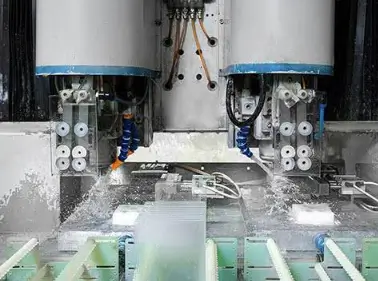
A laboratory using a LIB industry water spray jetting chamber can establish controlled water exposure conditions for appropriate product evaluations.
Why Consistency Matters
Consistency is essential when test results are used for engineering decisions.
If one sample is tested under a strong water stream while another is tested under significantly different conditions, comparing their results becomes difficult.
A controlled system can help standardize variables such as exposure duration, water delivery, and test positioning. This allows engineers to conduct more meaningful comparisons.
Testing During Product Development
Environmental testing should ideally begin before a product reaches final production.
Prototype testing can reveal weaknesses at an early stage. Engineers can then modify the design and test it again.
For example, a manufacturer developing a sealed enclosure might compare several gasket designs. Instead of selecting a design based only on theoretical performance, the company can test prototypes under defined conditions and inspect them afterward.
This approach supports evidence-based design improvements.
Testing Finished Products
Environmental testing can also be used after product development.
Manufacturers may establish quality-control procedures to verify that production units continue to meet specified requirements. Depending on the product and testing strategy, samples may be selected from production batches for periodic evaluation.
Testing finished products can help identify issues related to materials, assembly processes, sealing, or supplier changes.
Choosing the Right Equipment
The testing system should match the size and characteristics of the products being evaluated.
Laboratories should consider:
- Sample dimensions
- Test area
- Water delivery method
- Pressure requirements
- Flow requirements
- Control system
- Drainage
- Accessibility
- Safety features
- Maintenance requirements
Equipment should also be practical for the laboratory’s workflow. If technicians need to conduct many tests each day, ease of operation and maintenance can become particularly important.
Preparing Samples Properly
Test preparation can influence results.
Samples should be installed and positioned consistently. Any pre-test inspection should be documented so that existing defects are not confused with damage caused during testing.
If several samples are being compared, the preparation procedure should be as similar as possible.
Good preparation reduces unnecessary variation and improves confidence in the results.
Conducting the Test
A standardized testing procedure should specify how the sample is positioned, how exposure begins, how long it continues, and what parameters are monitored.
Technicians should follow the established procedure carefully. If a deviation occurs, it should be recorded rather than ignored.
This documentation becomes particularly useful when unusual results appear later.
Post-Test Inspection
The testing process does not end when water exposure stops.
Products should be inspected for relevant signs of failure or performance changes. Depending on the product, inspection may include:
- Visible water ingress
- Changes in electrical operation
- Corrosion
- Surface damage
- Seal deformation
- Component malfunction
The inspection criteria should be defined before testing begins so that results can be evaluated consistently.
Recordkeeping and Traceability
Every test should generate an appropriate record.
Useful information can include the sample identification, date, test conditions, equipment used, operator, observations, and final result.
Digital records can make it easier to compare historical tests and identify recurring issues. Clear traceability is particularly important when environmental testing forms part of a formal quality program.
Frequently Asked Questions
1. When should environmental testing begin?
Testing can begin during prototype development and continue through validation and quality-control stages. Early testing can help identify design weaknesses before production.
2. Why is repeatability important?
Repeatability makes it easier to compare samples and determine whether a design change actually affected performance.
3. What should be documented after testing?
Sample identification, test conditions, observations, equipment information, and inspection results should be recorded according to the laboratory’s procedures.
Conclusion
A reliable environmental testing process depends on more than specialized equipment. It requires a clear understanding of the product’s intended environment, consistent sample preparation, controlled exposure, systematic inspection, and accurate records.
When manufacturers integrate these elements into product development and quality assurance, testing becomes a practical tool for identifying weaknesses and improving product reliability. A structured approach also makes future comparisons easier and supports more consistent engineering decisions.