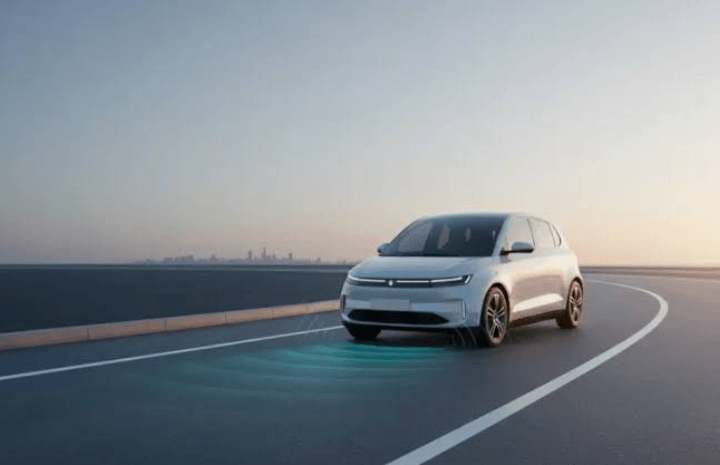
Imagine zipping through traffic without having to touch the steering wheel. Sounds like something straight out of a sci-fi movie, right? But guess what, self-driving cars are here and they’re not just for Hollywood blockbusters anymore. These autonomous vehicles are slowly making their way into our daily lives.
The technology behind these cars is nothing short of amazing. They use a combination of sensors, cameras, and artificial intelligence to navigate through streets, avoid obstacles, and even make split-second decisions. And the coolest part? They learn and get better over time. The more they drive, the smarter they become. It’s like having a driving buddy who never gets tired or distracted.
But it’s not all rainbows and butterflies. There are still challenges to overcome. For instance, how do we ensure these cars can handle unexpected situations like a deer jumping onto the road or a sudden snowstorm? And then there’s the whole ethical dilemma – if an accident is unavoidable, how does the car decide who to protect? It’s a brave new world, but one that promises to make our commutes safer and more efficient. To further ensure safety, incorporating vehicle inspection equipment could help in maintaining these intelligent systems.
Biometrics are changing how we travel
Gone are the days when you had to fumble around for your ID or boarding pass at the airport. Biometrics is stepping in to save the day. From facial recognition to fingerprint scanning, these technologies are transforming how we travel.
Picture this: you walk into an airport, and instead of waiting in long lines, you simply walk through a scanner that recognizes your face. No need to dig through your bag for that pesky piece of paper. It’s like having a VIP pass wherever you go. Airports around the world are already adopting these systems, making travel faster and more secure. One of the major adoptions is the x ray scanner baggage system that enhances security while speeding up the process.
But it doesn’t stop there. Biometrics are also being used for things like hotel check-ins and car rentals. Imagine unlocking your hotel room door with just a quick fingerprint scan or renting a car without filling out endless forms. It’s all about making life easier and more convenient. Of course, there are concerns about privacy and data security, but with proper regulations in place, biometrics could very well be the future of hassle-free travel.
Better surveillance on public transport
Public transport is the lifeblood of any bustling city, but ensuring its safety can be quite the challenge. Enter advanced surveillance systems. These high-tech solutions are helping keep an eye on things and making public transport safer for everyone.
Modern surveillance systems aren’t just about cameras anymore. They’re smart systems that can detect unusual behavior, track movements, and even alert authorities in real-time if something seems off. This means quicker responses to potential threats and a safer environment for commuters.
And it’s not just about preventing crime. These systems also help in managing crowds, ensuring smooth operations during rush hours, and even tracking lost items. So next time you’re on a crowded train or bus, remember there’s a whole network of technology working behind the scenes to keep things running smoothly and safely.
Drones keeping an eye on traffic
Drones aren’t just for capturing stunning aerial shots anymore. They’re becoming invaluable tools for monitoring traffic and managing roadways. With their bird’s-eye view, drones can provide real-time updates on traffic conditions, helping authorities manage congestion and respond to incidents more effectively.
Think about it – instead of relying on static cameras or ground patrols, drones can zip around and give a comprehensive view of what’s happening on the roads. They can spot accidents, monitor traffic flow, and even help in coordinating emergency responses. It’s like having an eye in the sky that never blinks.
But as with any new technology, there are hurdles to overcome. Issues like airspace regulation and privacy concerns need to be addressed. However, the potential benefits are immense. With drones keeping an eye on traffic, we could see fewer accidents, reduced congestion, and more efficient use of our roadways.
See also: Secretarial Services: Streamlining Business Operations Efficiently
Connected systems mean smarter infrastructure
Imagine a city where everything is connected – from traffic lights that adjust based on real-time data to parking spaces that alert you when they’re free. This isn’t some far-off dream; it’s happening now with the advent of connected systems.
Smart infrastructure uses data from various sources to make cities more efficient and livable. For example, connected traffic lights can reduce wait times at intersections by adjusting their timings based on current traffic conditions. Smart parking systems can guide drivers to available spots, reducing the time spent circling the block looking for a place to park.
These systems also help in managing resources better. Think about water and energy management – with connected sensors, cities can detect leaks or inefficiencies in real-time and address them promptly. It’s all about making urban living smoother and more sustainable.
The journey towards fully connected systems is still ongoing, but the steps being taken today promise a future where our cities are not just smart but also more responsive to our needs.