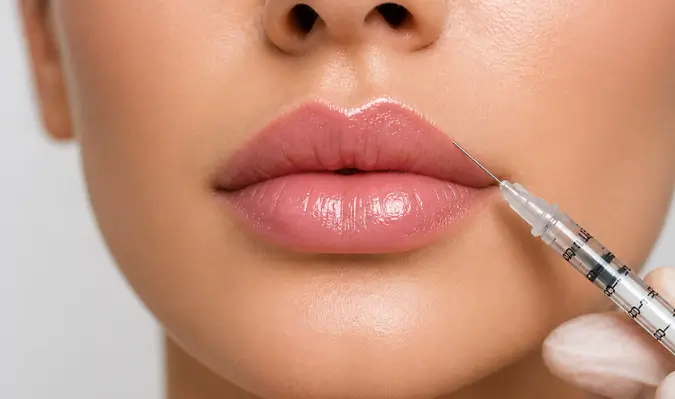
lip filler malaysia has become one of the most requested aesthetic treatments across the country. Whether you are looking to add subtle volume, improve lip symmetry, or achieve a more defined cupid’s bow, lip fillers offer a customisable and non-permanent solution.
Lip filler treatments use hyaluronic acid-based injectables to add volume, shape, and definition to the lips. HA is a substance that naturally occurs in the body, which makes it a safe and well-tolerated option. The results are soft and natural, and the treatment can be tailored to achieve anything from a barely-there enhancement to a more dramatic plumping effect.
Many patients seeking lip fillers in Malaysia are concerned about ending up with an overdone or artificial look. This is a valid concern, and the key to avoiding it lies in choosing an experienced aesthetic doctor who has a thorough understanding of lip anatomy and proportions. A skilled injector will always prioritise facial harmony over volume alone.
The consultation process is crucial. During the consultation, the doctor should assess your natural lip shape, discuss the outcome you are hoping to achieve, and explain the process in detail. Realistic expectations are important, and a good doctor will be honest about what can and cannot be achieved with filler.
The procedure itself is relatively quick, typically taking 30 to 45 minutes including consultation and numbing time. A topical anaesthetic or numbing injections are usually applied beforehand to minimise discomfort. Most patients find the experience manageable, with only mild discomfort during the injection.
After the treatment, some swelling and bruising is normal and expected. The swelling can make the lips look larger than the intended final result, which can sometimes cause initial concern. It is important to wait at least one to two weeks before assessing the final outcome.
Lip fillers in Malaysia typically last between six months to a year, depending on the product used and individual metabolism. Touch-up treatments can be scheduled to maintain the desired look. One advantage of HA fillers is that they can be dissolved with hyaluronidase if you are unhappy with the results.
Lip filler treatment, when done well, can beautifully enhance your natural features and boost your confidence. The key is to seek treatment from a qualified and experienced aesthetic doctor who will help you achieve your goals safely and aesthetically.
Clinical considerations
Lip shape is influenced by anatomy, hydration, age and facial proportions. Hyaluronic acid filler may change definition or volume, but it cannot guarantee a particular celebrity look. A conservative plan usually begins with discussing the desired change, existing asymmetry and the extent to which movement and expression should remain natural.
Choosing a suitable approach
Swelling and bruising can be especially noticeable in the lips during the first days after an injection. Other complications include lumps, infection and blood-vessel blockage. Severe or increasing pain, pale or dusky skin, or unusual blistering after filler are warning signs that require prompt medical assessment.
See also: Secretarial Services: Streamlining Business Operations Efficiently
Risks and realistic expectations
Patients should ask for the exact product name, the injector’s qualifications and realistic information about maintenance. More filler does not necessarily produce a better result, and repeated treatment can change tissue appearance over time. Decisions should be based on an individual assessment rather than a promotional photograph or a fixed volume target.
Evaluating claims and costs
Before agreeing to a package, check the treatment name, product or device, number of proposed visits, likely maintenance and total cost. Ask whether published photographs reflect typical results and whether they were taken under comparable conditions. The strongest decision is an informed one that weighs the possible benefit against expense, inconvenience and medical risk.
Making the consultation useful
Bring a list of medicines, allergies, prior procedures and the outcome you hope to achieve. Explain any previous adverse reactions and ask which alternatives are available, including the option of no procedure. A careful practitioner should explain uncertainty rather than promising a fixed result. Request written instructions and a clear route to contact the clinic if symptoms develop after treatment.
Questions to discuss before proceeding
Ask the treating clinician to explain the expected course in plain language, including alternatives, circumstances that would make treatment unsuitable, and the signs that need urgent attention. The consultation should leave enough time for questions and an unpressured decision. Individual responses vary, so treatment plans should be reviewed rather than repeated automatically.
Clinical suitability depends on an individual assessment. Treatment responses, recovery periods and adverse effects differ between patients; the availability, regulatory status and suitability of any procedure or prescription medicine should be confirmed with a qualified Malaysian healthcare professional. Information here is educational and does not establish a guaranteed result.