A newsletter gets more customer responses when it gives readers a clear reason to pay attention and an easy way to respond. A strong newsletter mailer combines a relevant message, useful information, persuasive visuals, personalized content, and one clear call to action. For businesses using iti Direct Mail, these elements can help turn a printed newsletter from a simple information piece into a meaningful customer communication tool.
The goal is not to fill every available space with promotions. Customers are more likely to respond when the message feels relevant to their needs and the next step is simple. From the headline and opening paragraph to the response method, every part of the newsletter should support that purpose.
Start With a Message That Matters to the Reader
The first few lines determine whether a recipient continues reading. A newsletter should quickly communicate something useful, timely, or relevant to the audience. A vague introduction about the business does little to create interest.
Start with the customer rather than the company. A local service business might highlight seasonal maintenance advice, while a retailer could share product guidance, buying ideas, or useful updates. A professional service provider could explain a common problem and offer practical information for handling it.
The opening should also match the reason the newsletter is being sent. If the objective is to generate appointments, the content should naturally lead readers toward booking. If the purpose is to encourage repeat purchases, the newsletter can feature useful product information alongside a relevant offer.
A focused message gives readers a reason to continue.
Give the Newsletter a Strong, Specific Headline
The headline should tell readers what they will gain from continuing. Clever wording can be appealing, but clarity should come first.
Instead of using a broad headline such as “News From Our Business,” make the subject more specific. A stronger headline could promise useful tips, introduce a seasonal offer, or address a familiar customer concern.
Headlines also create the visual hierarchy of the page. A prominent heading followed by a short supporting statement helps readers understand the subject before they commit to reading the full article.
Keep the headline connected to the content. A dramatic headline followed by unrelated promotional material can reduce trust and make the newsletter feel like an advertisement.
Make the Content Useful Before Making the Offer
Useful information gives readers a reason to spend time with the newsletter. It can also create a more natural path toward a commercial message.
A newsletter might include practical advice, maintenance recommendations, product comparisons, industry updates, event information, or answers to common customer concerns. The content should be specific enough to help someone do, understand, or decide something.
For example, a home improvement company could explain signs that a household system needs professional attention. A restaurant could share seasonal menu ideas or preparation tips. A real estate business could provide guidance on preparing a property for sale.
The promotional message can then connect naturally to that information. Readers should understand why the offer or service is relevant rather than feeling that useful content was simply used to introduce a sales pitch.
Use Personalization with a Clear Purpose
Personalization can make printed communication feel more relevant, but it should serve a genuine purpose. A customer’s name is useful, yet meaningful personalization can go further.
Businesses can segment newsletters according to customer interests, previous purchases, location, service history, or other appropriate information. Different groups can receive content that reflects their relationship with the business.
A returning customer might receive information about complementary products. A new customer could receive guidance that helps them get more value from a recent purchase. A local audience might receive information about nearby services or events.
The objective is relevance, not simply adding a name to the greeting.
Give Readers One Clear Action to Take
A newsletter can contain useful information and still fail to generate responses if the call to action is unclear.
Readers should know exactly what to do next. Depending on the campaign, that could mean visiting a website, calling a business, scanning a QR code, requesting information, booking an appointment, returning a response card, or visiting a physical location.
Avoid giving equal attention to several competing actions. A newsletter that asks readers to call, visit three different pages, follow multiple social profiles, scan a code, and sign up for several offers can create unnecessary friction.
Choose the action that matters most to the campaign and make it visually noticeable.
Make the Response Process Simple
A response mechanism should require as little effort as possible. Every additional step creates another opportunity for someone to abandon the process.
QR codes are useful for directing readers to a specific landing page, but the destination should match the promise made in the newsletter. A QR code promoting an appointment should lead directly to appointment information rather than a general homepage.
Printed response instructions should also be easy to understand. If customers need to call, provide the relevant phone number near the call to action. If they need to visit a website, use a short, readable web address where appropriate.
The easier the response process is to understand, the easier it is for the recipient to act.
Design the Page for Scanning
Most readers will not consume every word in order. They scan headings, images, highlighted information, captions, and calls to action before deciding what deserves closer attention.
Good newsletter design accommodates this behavior.
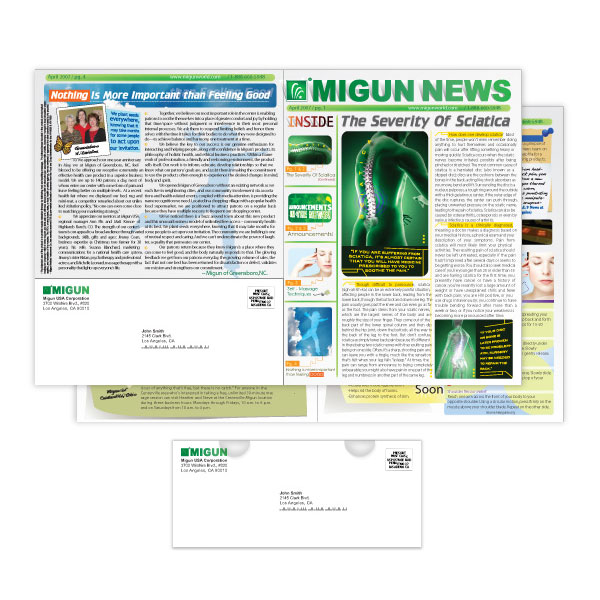
Use clear headings, short paragraphs, adequate spacing, and visual emphasis to guide the eye. Important information should not be hidden inside dense blocks of text. Images should support the message rather than simply fill empty space.
A balanced layout can also create a clear reading path. The headline attracts attention, the supporting content builds interest, and the call to action provides the next step.
Design should make the message easier to understand, not compete with it.
Include an Offer That Gives Readers a Reason to Respond
Useful content can build interest, but a relevant offer can provide the final reason to take action. The offer should be directly connected to the audience and the newsletter’s main purpose.
An offer does not always need to be a discount. Early access, a consultation request, a free assessment, an invitation, exclusive information, or another customer benefit can also encourage responses.
The wording should explain what the reader receives and what action is required. Avoid vague statements that force the recipient to work out the benefit independently.
The offer should also have enough visual prominence to be noticed without overpowering the informational content.
Connect the Newsletter to Your Broader Direct Mail Strategy
A newsletter should not exist in isolation. Its message, audience, design, and response method should support the wider campaign.
Businesses using direct mail marketing services can coordinate newsletter content with postcards, promotional mailings, customer retention campaigns, or other direct communication. This creates consistency across different pieces while allowing each format to serve a specific purpose.
For example, a postcard can introduce an upcoming promotion, while a detailed newsletter can provide useful information related to that promotion. The two pieces can direct recipients toward the same landing page or response mechanism.
This type of coordination also makes it easier to maintain a recognizable brand voice across campaigns.
Use Newsletter Mail as a Relationship Tool
A successful newsletter mail campaign should give customers more than a reason to buy. It should give them reasons to stay connected with the business.
Regular useful content can keep a company familiar between purchases. Helpful information can reinforce expertise, while updates can remind customers about products and services they may have overlooked.
The content should remain relevant rather than becoming a collection of repeated promotions. A newsletter that offers genuine engagement is more likely to earn attention over time.
For businesses working with iti Direct Mail, maintaining a clear editorial purpose can help each mailing feel useful instead of repetitive.
Measure Responses and Improve Future Campaigns
Response data can reveal which parts of a newsletter are working and which need improvement. Track the action that matters to the campaign, such as calls, website visits, QR code scans, appointment requests, inquiries, or returned responses.
Comparing results across audience segments and content themes can provide useful direction for future mailings. A topic that generates strong engagement may deserve more attention in later editions. A call to action that receives little response may need clearer wording or a simpler process.
Testing different headlines, offers, layouts, or response methods can also provide practical insights. The goal is not to change everything at once. Small, measurable adjustments make it easier to identify what influenced the result.
Build Newsletters Around Customer Intent
The strongest newsletters reflect what readers actually need from the business. Promotional content has a place, but relevance gives the message its staying power.
Before producing each edition, define the customer problem, question, interest, or action the newsletter is intended to address. Then build the headline, content, imagery, offer, and response method around that central idea.
Newsletter mailing services can support the production and distribution process, but strong customer response begins with the quality of the message itself. Clear communication, useful content, thoughtful design, and a simple call to action give readers a reason to engage.
If your business needs help planning a direct mail campaign built around meaningful customer communication, contact us today to discuss how your next mailing can support your marketing goals. A newsletter should feel like something worth reading, not another piece of mail competing for attention. Businesses that make customer value the center of the message can create stronger opportunities for replies, inquiries, visits, and repeat engagement.